Teach Like Socrates: A Master's Concentration in Socratic Education
Teach through questions, not lectures. Master the Socratic method, Socratic seminars, and dialogic teaching 1-on-1 with expert professors, and learn what the evidence says about how discussion builds thinking.
Socratic Education is a concentration within Elton's Master's in Student-Centered Education for educators who want their students to do the thinking. You study the method Socrates used in the streets of Athens, the seminar traditions it inspired, and the modern research on classroom dialogue, and you practice leading real conversations with real learners.
Start Immediately. $18,000 Total Tuition. Graduate Certificate Option.
- Socratic Seminar & Dialogue
- Practice or Research Track
- 1-on-1 Expert Professors
- 100% Remote & Flexible
- Keep Your Job
Before you read further: this program does not lead to a teaching license
This concentration is part of a master's and certificate that cannot be used to earn a state teaching license or credential in any US state.
It is built for educators who teach, or want to teach, where a state license is not required: many private and classical schools, some charter schools, microschools, homeschool co-ops and learning pods, tutoring practices, and non-traditional schools. Licensing rules vary by state and by school, so confirm the requirements with the schools where you want to work before you enroll.
The Oldest Student-Centered Method
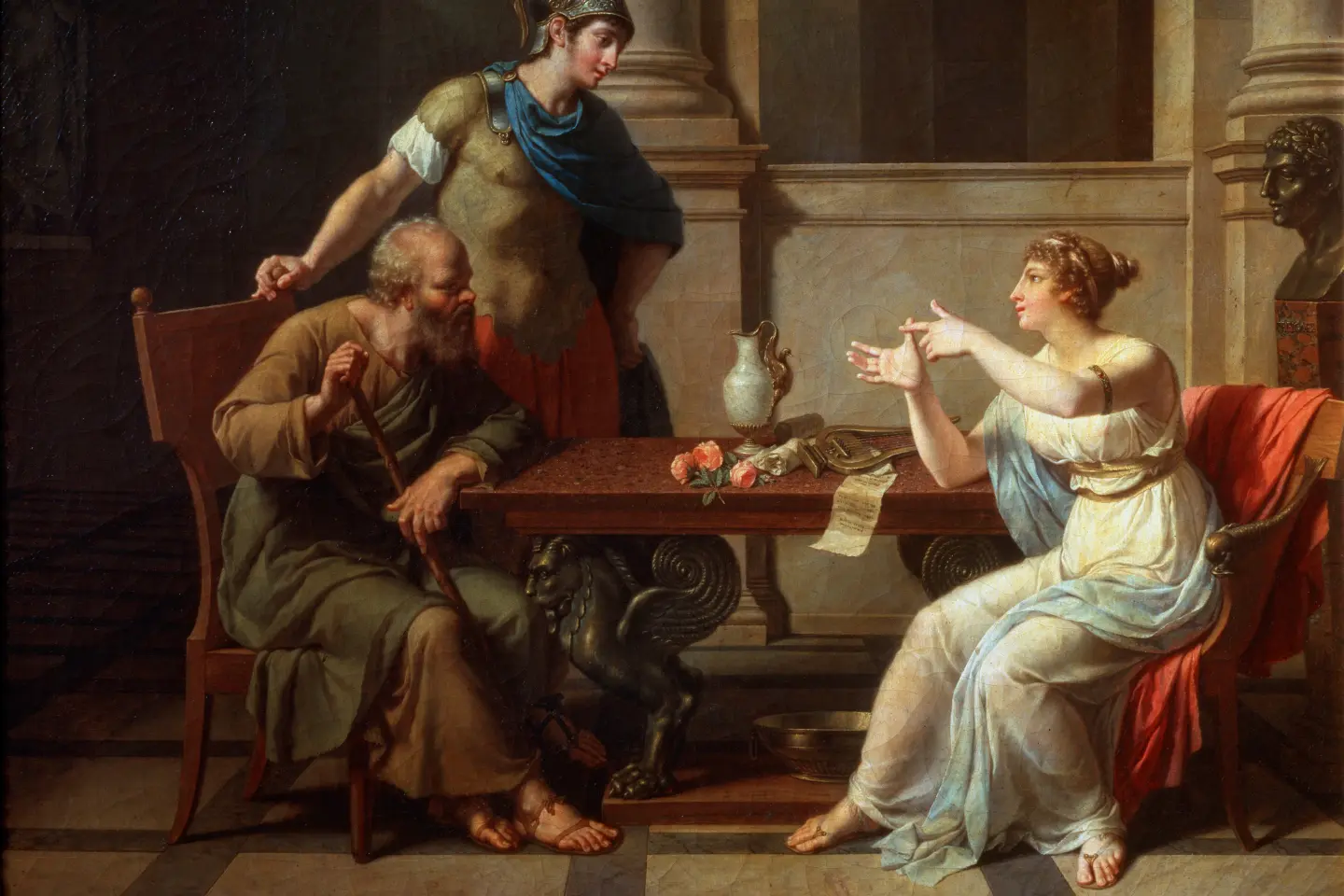
Socrates wrote no books and gave no lectures. He asked questions. By asking students to define their terms, test their beliefs against examples, and follow an argument wherever it led, he made the learner, not the teacher, responsible for the thinking.
Twenty-four centuries later, that idea sits at the center of some of the most admired learning environments in the world: the Oxford tutorial, the Harkness table at Phillips Exeter, the Great Books seminars of St. John's College, the Paideia Socratic seminar, and the Philosophy for Children movement. Elton's own tutorial model is built on it.
Yet most classrooms still run on teacher talk. Studies of classroom discourse have found again and again that teachers ask most of the questions, most of those questions have one right answer, and students rarely talk to each other about ideas. This concentration teaches you to change that, and to know when questioning works best and when students need direct instruction first.
Ask the Question That Starts the Conversation
A great discussion often turns on a single question. Ask one with an obvious answer and the room goes quiet. Ask one that is genuinely open, grounded in the text, and worth arguing about, and students lean in.
You will learn to write opening, core, and closing questions, to follow up on what students actually say, and to use wait time and silence so that the quietest voice at the table has room to speak.
Request More Information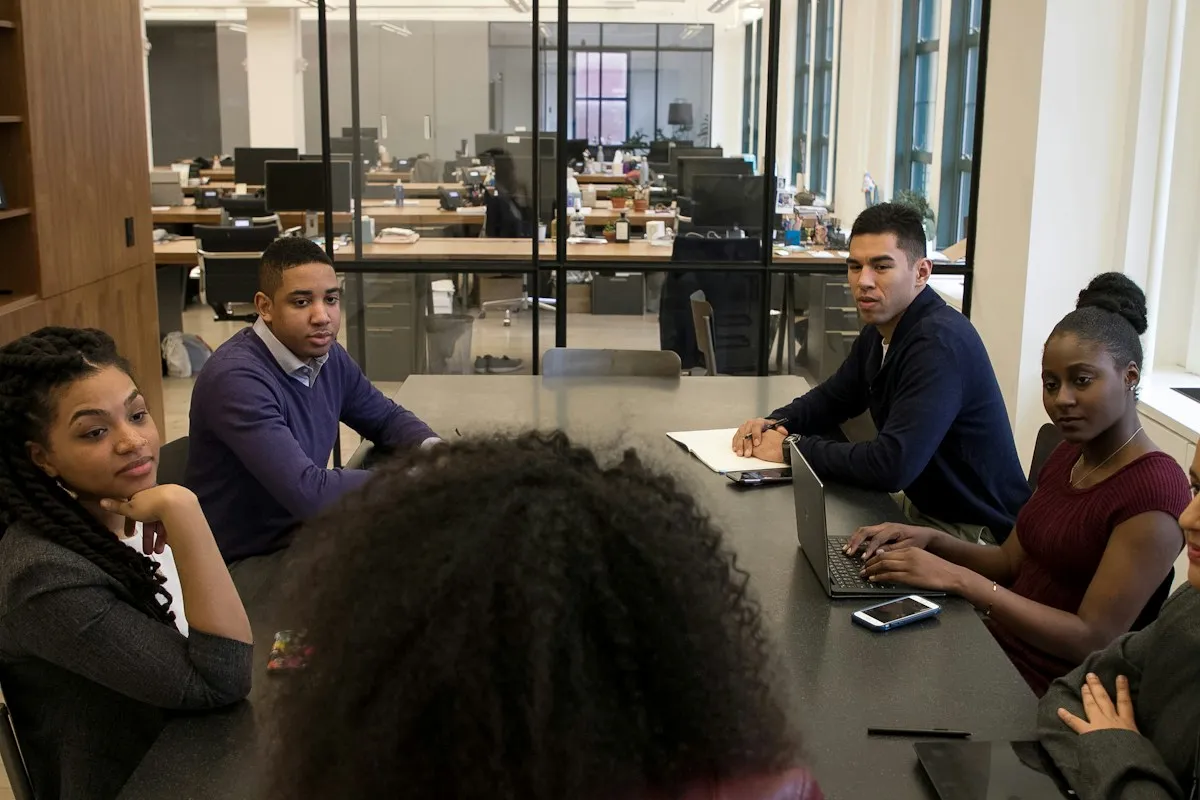
Let the Text Be the Authority
In a true seminar, the teacher is not the source of right answers. The text is the common ground, and every claim has to be supported by what is on the page. That shift changes who does the thinking.
You will learn to choose texts rich enough to sustain a conversation, from Plato and Frederick Douglass to a proof or a primary source, and to teach students to read closely, cite evidence, and return to the words when the argument drifts.
Speak with an Admissions Officer
Teach Students to Disagree Well
Socratic discussion builds more than understanding of a single text. Done well, it teaches students to listen before responding, to change their minds when the evidence demands it, and to challenge an idea without attacking the person who holds it.
You will learn to set and model discussion norms, coach students to build on and push back against each other, and assess growth in reasoning and civil disagreement over time.
Schedule a Free Info Session
Areas of Study
With your professors, you build depth across the traditions and skills that matter most to your goals, always asking: what does the evidence say?
The Socratic Method
Read Plato's dialogues closely and learn the moves Socrates made: elenchus (testing a claim through questions), definition, counterexample, and productive confusion, or aporia.
Socratic Questioning
Build a repertoire of questions that clarify, probe assumptions, ask for evidence, explore viewpoints, and trace implications, and learn when to wait, follow up, or stay silent.
Socratic Seminar
Plan and facilitate text-based seminars in the Paideia tradition: choosing rich texts, writing opening questions, setting norms, and stepping back so students lead.
The Harkness Method
Phillips Exeter's discussion-table approach: student-run conversation around a shared problem or text, with the teacher as observer, coach, and occasional guide.
Great Books & Shared Inquiry
The seminar traditions of St. John's College and the Great Books Foundation: reading foundational works together and reasoning from the text, not from authority.
Philosophy for Children
Matthew Lipman's community of inquiry: helping children and teens ask and discuss big questions about fairness, truth, and friendship, and what trials show about its effects.
Dialogic Teaching
Robin Alexander's research on classroom talk, accountable talk, and exploratory talk: how to shift discussion from recitation to reasoning across every subject.
Classical Education
The trivium of grammar, logic, and rhetoric, its modern revival in classical schools and homeschools, and how Socratic dialogue fits within it.
The Tutorial Method
The Oxford and Cambridge tutorial, where one to three students defend their work to a tutor each week. Learn to lead it, and experience it yourself at Elton.
Questioning in Math & Science
Socratic dialogue is not just for literature and philosophy. Use questioning to surface misconceptions, build proofs, and reason through experiments and models.
Assessing Discussion
Make thinking visible: discussion maps, rubrics for reasoning and listening, reflective writing, and ways to measure whether dialogue is actually improving understanding.
Socratic Tutoring & AI
What makes a tutor Socratic, the research on 1-on-1 tutoring, and the promise and limits of AI tutors that ask rather than tell.
Evidence, Honestly Weighed
Socratic education has passionate advocates, and you will study it like a scientist, not a fan. The evidence is promising but mixed:
- Structured classroom dialogue has shown positive effects in large randomized trials, including Education Endowment Foundation evaluations of dialogic teaching and Philosophy for Children in English primary schools, though results have not always replicated.
- 1-on-1 tutoring, where a tutor questions and responds to a single student, is one of the most effective interventions ever studied.
- Questioning alone is not enough. Novices often learn new material faster from clear explanation and worked examples. Skilled Socratic teachers know when to ask and when to tell.
You will learn to read these studies critically, understand effect sizes, and decide what the findings mean for your own students. Read more in What Is Evidence-Based Education?
Practice or Research
As in the full Student-Centered Education program, you choose the emphasis that fits your career, or blend the two.
Become an Exceptional Discussion Leader
Lead Socratic seminars, Harkness discussions, and 1-on-1 tutorials with real learners. Record your sessions, review them with your professor, and refine your questioning week by week.
- Facilitate seminars and tutorials with feedback from your professor
- Build a portfolio of seminar plans, question sequences, and recorded discussions
- Graduate ready to teach in a classical, Socratic, or student-centered school
Study What Dialogue Does
Investigate how discussion changes reasoning, reading, and motivation. Learn discourse analysis and research design, then run an original study in a real learning environment.
- Master research design, statistics, and discourse analysis
- Conduct an original study of Socratic or dialogic teaching
- Build toward publication and, if you choose, Elton's PhD by Publication
Educators Who Would Rather Ask Than Tell
Teachers at classical, private, and charter schools. Your school runs seminars or Harkness discussions, and you want to lead them with real skill and an understanding of the research.
Homeschool parents and co-op leaders. You want to bring Socratic discussion and the Great Books into your home or co-op.
Tutors and coaches. You work 1-on-1 and want to guide students to their own answers instead of handing them out.
Founders and school leaders. You are building a microschool, learning pod, or education company around discussion and inquiry.
Aspiring researchers. You want to study classroom dialogue and contribute new findings, perhaps on the way to a PhD.
If your goal is to teach in a public school or anywhere else that requires a state license, this program is not the right fit. Look for an accredited teacher preparation program in your state.
Schedule an Admission Conversation
Learn the Socratic Method Socratically
Elton's tutorial model is itself Socratic. Each week your professors question your thinking the same way you will learn to question your students'.
Meet Your Advisor
Map your goals, choose the practice or research track, and build a learning plan around the traditions, age groups, and subjects you care about.
Work 1-on-1 with Professors
Meet each week in tutorials of one to three students. Defend your reading of a text, present your seminar plans, and answer hard questions about your work.
Lead Real Discussions
Practice-track candidates facilitate seminars and tutorials with real learners. Research-track candidates design and run studies of classroom dialogue.
Show What You Can Do
Graduate with a portfolio: recorded discussions, seminar plans, and evidence of student growth, or an original study ready to share.
Eligibility
To enroll in a master's program or graduate certificate, you need one of the following:
- A bachelor's degree, or
- Some college and 5 years of relevant work experience, or
- Proof of your ability to engage in master's-level study.
No standardized tests are required: no GRE, no GMAT.
Same Tuition as Student-Centered Education: $18,000
Socratic Education is a concentration within the Master's in Student-Centered Education, so it shares the same tuition, financial aid, and timeline: $18,000 total, with a 10% discount if you pay in full upon enrollment.
- Start Immediately - Other programs require you wait until September or January to start. With Elton you can start immediately.
- No Risk First Month - If during the first month you or Elton decide that you are not a fit for the university, you will receive a full refund.
- Stacking Credentials - If you stop the program early, you still earn your graduate certificate in student-centered education if you have completed 1/3 of the program.


