Tariffs, reshoring, the CHIPS Act, EV subsidies, government stakes in technology firms – industrial policy is rapidly increasing in importance in the U.S. and around the world. It is becoming crucial both for making new policy and for understanding how the existing economy functions. Whether on Capitol Hill, in domestic government agencies, in America’s trade relations with the rest of the world, or across the media and the think tanks, it is impacting more areas every day.
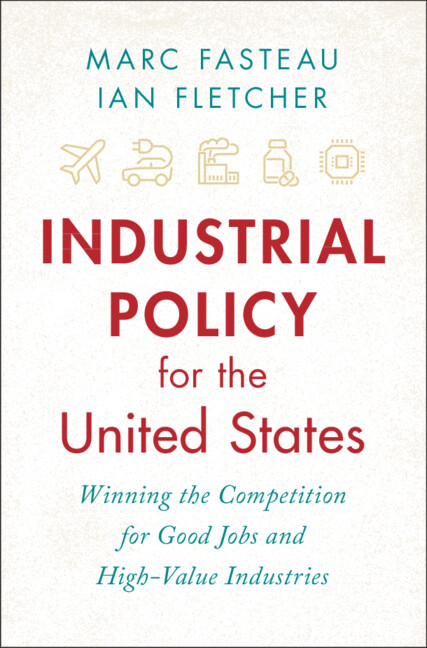
Unfortunately, no American university has offered an introductory course on the subject. Until now. Our program was created in collaboration with one of the leading authorities in the field — Ian Fletcher, coauthor of
Industrial Policy for the United States (Cambridge University Press, 2025) — who will teach its inaugural cohort. It is designed to give people with a background in conventional neoliberal economics a solid grounding in the
different way of thinking about the economy that successful industrial policy requires.
Beginning by grounding industrial policy in conventional economic theory, students will then examine real-world applications through case studies of nations, industries, technologies, and policies. They will analyze both successes and failures of industrial policy and, while the course centers on an American audience, will draw lessons from roughly half a dozen other countries' experiences. By the end, students—whether academics researching industrial policy or government professionals tasked with implementing it—will come away with both deeper scholarly expertise and a network of peers working in the field.
This course requires an introductory but not expert familiarity with conventional economics.










.svg)
.svg)