A Bachelor's Degree Built Around Your Curiosity, Online or in San Francisco
You've spent years learning what interests you, at your own pace. Most colleges will make you stop. Elton won't. Instead of traditional courses, learning at Elton is tracked in Dashes: bursts of curiosity, hard work, and study lasting a day to a month, guided 1-on-1 by expert professors. And you can change what you study whenever you want.
- Learn in Dashes, Not Semesters
- 1-on-1 Instruction
- Change Your Focus Any Day
- Human Professors, Not AI
- Online or In Person in San Francisco
- SAT & ACT Optional
- As Fast as 2 Years
Elton is not yet accredited. What does this mean for you?
You are considering attending college at Elton, which is not yet an accredited school, so it's important to know what accreditation means in the United States.
Elton is a new university. It typically takes a new university 4 to 8 years to receive accreditation, and Elton teaches, grades, and awards degrees during that time. Accreditation is not automatically retroactive: when a school is accredited, it usually covers degrees awarded from a date the accreditor sets, so it may not apply to degrees earned before then.
Accreditation is when a school is given membership to a private trade association of colleges and universities. Accreditation is not provided by the government and is entirely optional in the United States. Accreditation is often held up as a measure of a school's quality, but empirical research has not confirmed this. Instead, researchers have found that there are good unaccredited schools and bad accredited ones.
Nevertheless, accreditation does make a difference to graduates:
- Unaccredited schools are not allowed to have a ".edu" domain
- The federal government denies unaccredited schools access to federal financial aid
- Some government jobs require an accredited bachelor's degree
- Many graduate programs require an accredited bachelor's degree. (Elton's graduate programs do not.)
In conclusion: having an unaccredited degree is not the end of the world and it doesn't mean the school is a "scam" or "degree mill", but you should be aware of some of the limitations of having a degree that is not yet accredited.
You Might Be a Great Fit for Elton's Bachelor's If...
School Never Fit the Shape of Your Mind
Bells, fixed schedules, and one-size-fits-all lessons assume every mind learns the same way. If high school felt like the wrong shape for you, maybe because of the pacing, the format, or because you're neurodivergent, a bachelor's built entirely around how you think might be the first education that actually works.
You Already Learn on Your Own Terms
Maybe you were homeschooled, went to a Montessori or Waldorf school, or simply learned more from books, projects, and YouTube than from class. You don't want to give that up for four years of general education requirements. You want to keep following your curiosity, with experts to guide you.
You Want to Build Something Real
You want to start a business, make art, learn a trade, do research, or land a great job, and you want your education to build toward it from day one, not after graduation. At Elton, the projects you care about are your education.
You're Not Sure Traditional College Is for You
Maybe you've been told college isn't for you. Maybe you tried community college and left. Or maybe you just don't want to spend five years and a fortune on a degree that doesn't point anywhere. You still want to learn, grow, and earn a real degree. You just need a different way in.
Homeschooled, Montessori, or Waldorf? A University Built for You
If you grew up directing your own learning, a traditional college can feel like a step backward: required courses, fixed semesters, and lectures for hundreds of students. Elton works differently. Elton picks up where your education left off.
Homeschoolers & Unschoolers
We accept homeschool diplomas and transcripts issued by your parents, and the SAT and ACT are optional. Dual enrollment is available for advanced high schoolers and students under 18, so you can start earning college credit now.
Montessori Students
Elton is built on the same principles as your Montessori education: follow the learner's interests, let them move at their own pace, and teach to exactly where they are. As far as we know, we're the first university to do this. Read why the world needs a Montessori university.
Waldorf Graduates
Waldorf taught you to learn with your head, heart, and hands. At Elton, you learn through real projects, not just lectures and exams, and you can combine arts, crafts, and academics in a single degree with our Artist/Designer, Scholar, and Explorer concentrations. There are no high-stakes exams or lecture halls, just 1-on-1 work with professors who get to know you.
A Traditional Bachelor's vs. An Elton Bachelor's
Elton isn't a traditional college with a few more electives. It's a completely different way to earn a bachelor's degree.
Instead of traditional courses, learning at Elton is tracked in Dashes: bursts of curiosity, hard work, and study, anywhere from one day to one month long, each built around a goal you set with your coach and professors. When a Dash ends, you decide what's next. Go deeper, switch topics, or start something new. You can literally change what you study from one day to the next.
Instruction is 1-on-1. There are no lectures and no classrooms full of students waiting their turn. You work with an expert professor, sometimes alongside one or two peers in a very small group, on exactly what you need, at exactly your level.
A Traditional Bachelor's
The conventional bachelor's was built for 18-year-olds moving through a fixed curriculum together, on the same calendar, in the same lecture halls. It works for some students, but it asks you to fit the program, not the other way around.
- 4+ years on paper; the US average is 5.1 years to finish
- 15-week courses on a fixed semester calendar
- Lectures shared with 30 to 300 other students
- Required general education and prerequisites before you reach what you came for
- Pick a major, then follow its checklist
- Changing direction means waiting for next semester, or next year
- Applications, test scores, and deadlines; start only in September or January
- On campus, lectures on a fixed timetable; online, mostly videos and quizzes
- Tuition at private colleges can top $100,000
- Leave early and you often leave with debt and no credential
Elton's Bachelor's
We've reimagined the bachelor's degree around you: what you're curious about, where you want to go, and how you learn best, with a team of human experts and a community of learners and doers behind you.
- 2 to 4 years at your own pace, faster with transfer credits
- Dashes: bursts of curiosity, work, and study lasting 1 day to 1 month
- 1-on-1 instruction with a human expert, with very small groups when they help
- No prerequisites and no general education checklist
- A concentration that points you in a real direction, or design your own
- Change what you study from one day to the next
- SAT and ACT optional; homeschool diplomas and transcripts welcome; start any time
- 1-on-1 either way: online from anywhere, or in person at three locations in San Francisco
- $38,500 total tuition, and 90% of students receive financial aid
- Stackable credentials: a certificate at 30 credits and an associate's degree at 60
Study Online, or in Person in San Francisco
You can earn Elton's bachelor's online from anywhere in the world, or in person in San Francisco, where students study at three locations: The Fold, Noisebridge, and Frontier Tower. It's the same degree either way.
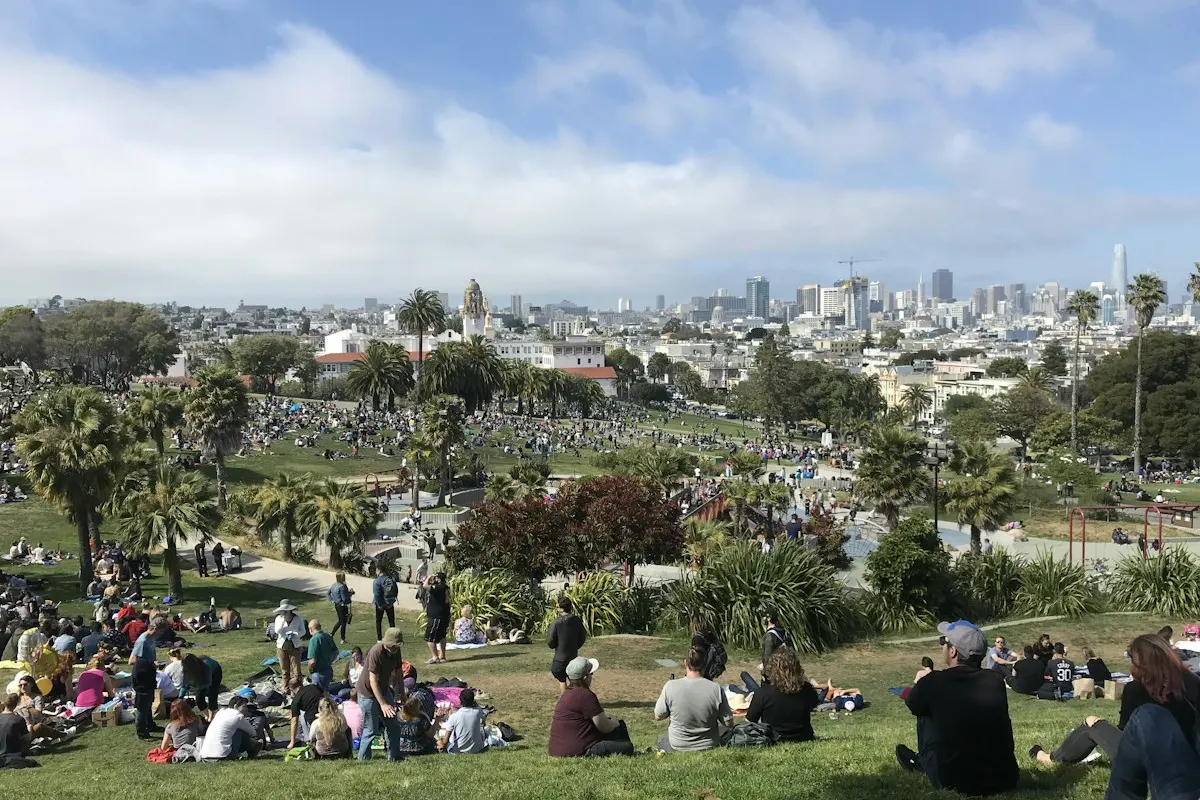
San Francisco is a fantastic place to be a student: one of the most diverse cities in the country, the center of the tech world, and a major epicenter of the nonprofit ecosystem. The companies, startups, foundations, and community organizations shaping what comes next are all around you, ready to become part of your learning.
- Tutorials in person or by video. Your professors are matched to what you're studying, not to where they live. Tutorials with on-campus faculty can happen face to face at one of our San Francisco locations; tutorials with remote faculty happen by video.
- Places to study. Our three locations are where in-person students come to work, alongside other Elton students who are learning and building too.
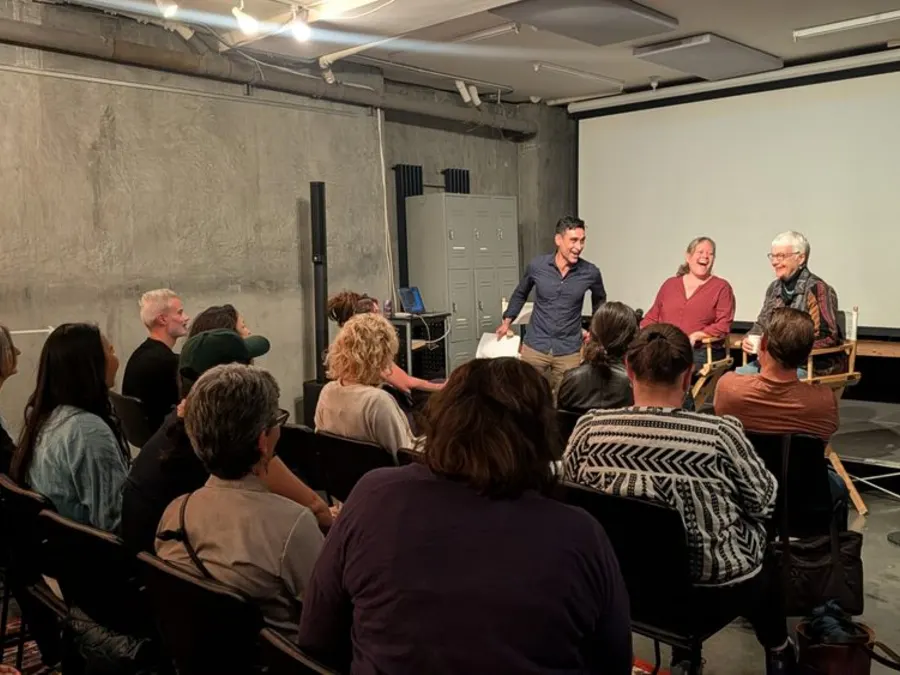
- Community. In-person students share dinners, talks, and events at our locations, and are part of Elton's online community as well.
Online students get the same 1-on-1 instruction by video, wherever they live. Ask us about studying in San Francisco →
Three Places to Study in San Francisco
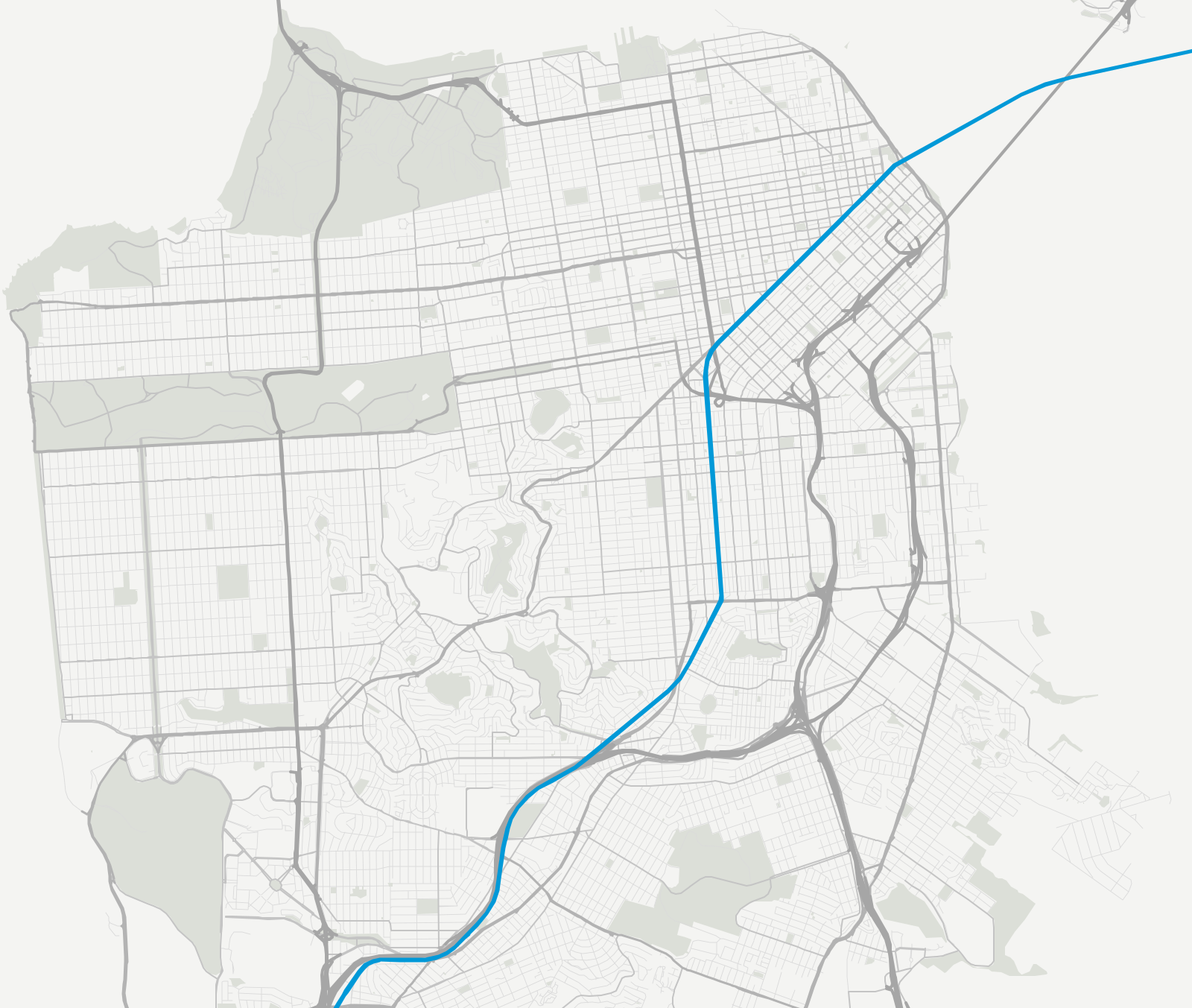
All three are a short walk from BART: The Fold is about five minutes from 24th St Mission station, Noisebridge about five minutes from 16th St Mission, and Frontier Tower about five minutes from Powell St. Getting between them takes just a few stops.
The Fold
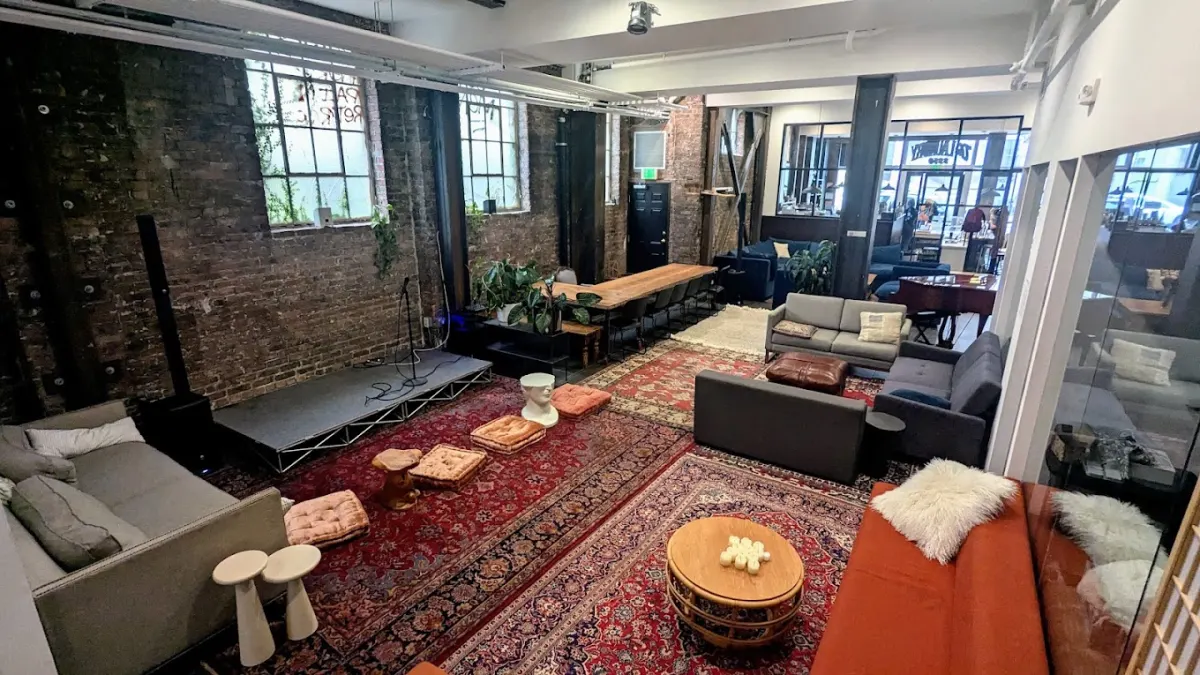
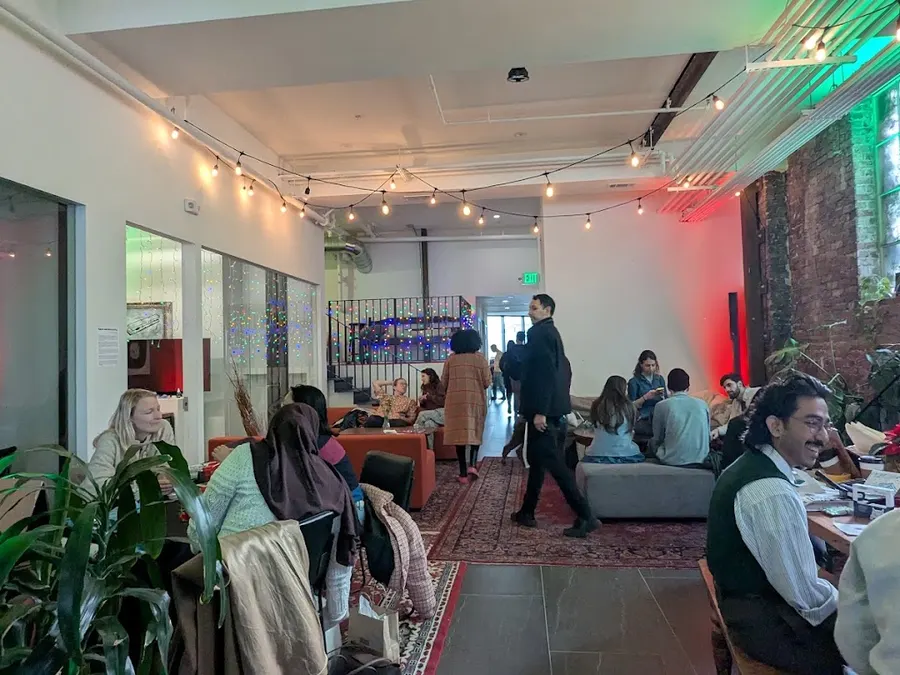
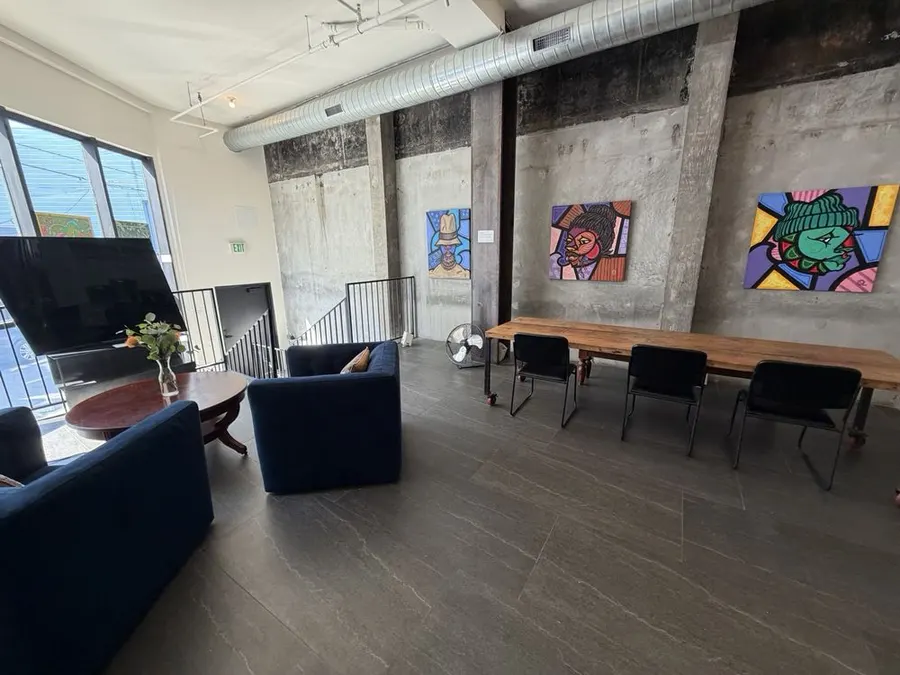
A café, gallery, and event space in a historic brick building, opened in 2025 by longtime San Francisco community members. Study in the lounge or café, meet in its conference rooms, and gather for dinners, talks, and performances.
thefoldsf.com →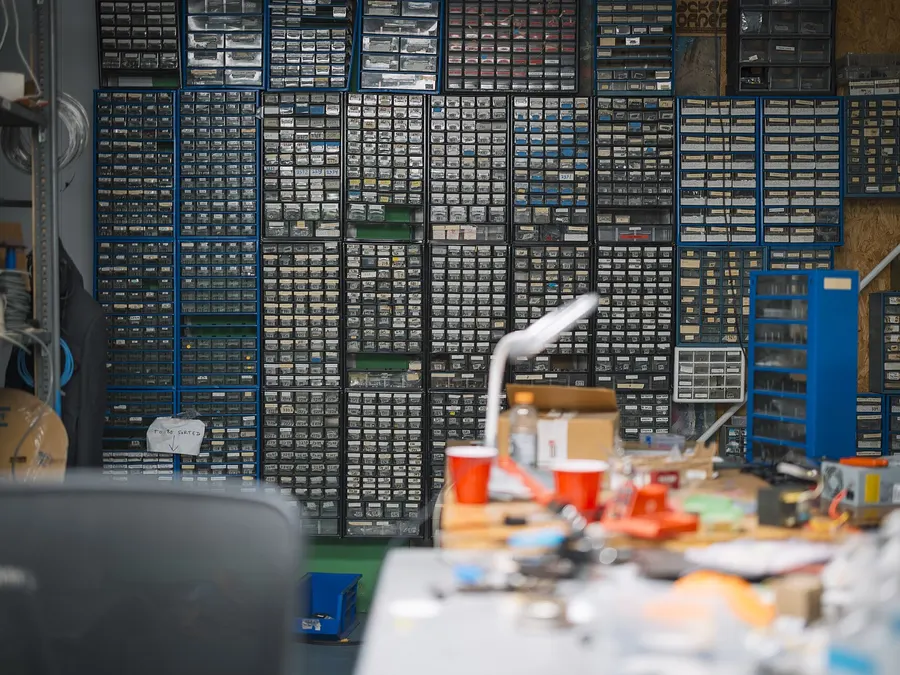
Noisebridge
San Francisco's legendary hackerspace: a nonprofit, volunteer-run workshop open to the community since 2007. Build electronics, use the laser cutter, 3D printers, and sewing machines, and learn from the hackers, makers, and artists who teach its free classes.
noisebridge.net →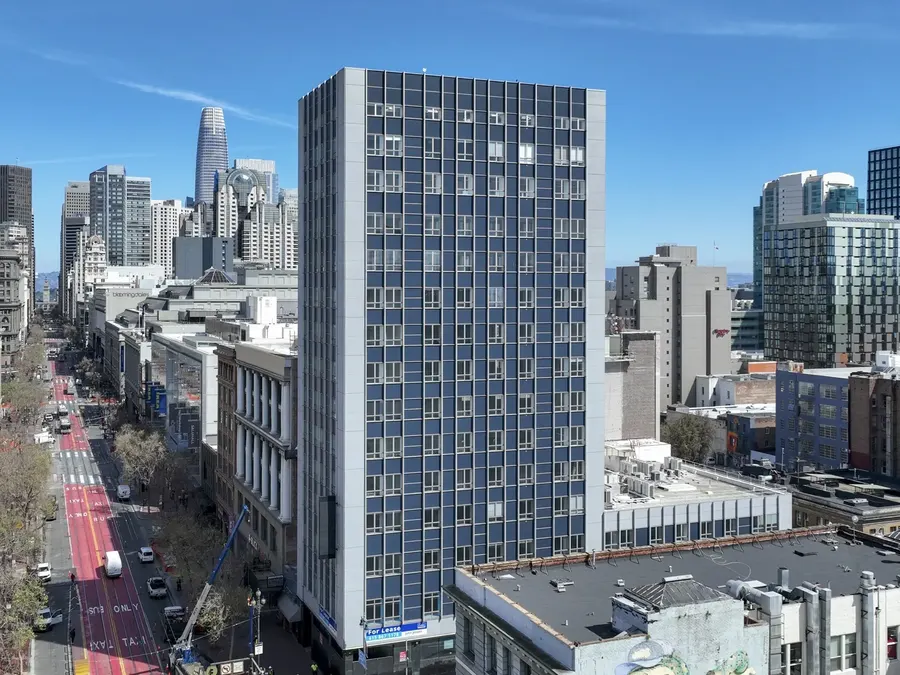
Frontier Tower
A 16-story building from 1908 turned into a "vertical village" for frontier technology and culture, with floors dedicated to themes from AI and biotech to arts and music. A window into the startups, researchers, and builders shaping what comes next.
frontiertower.io →







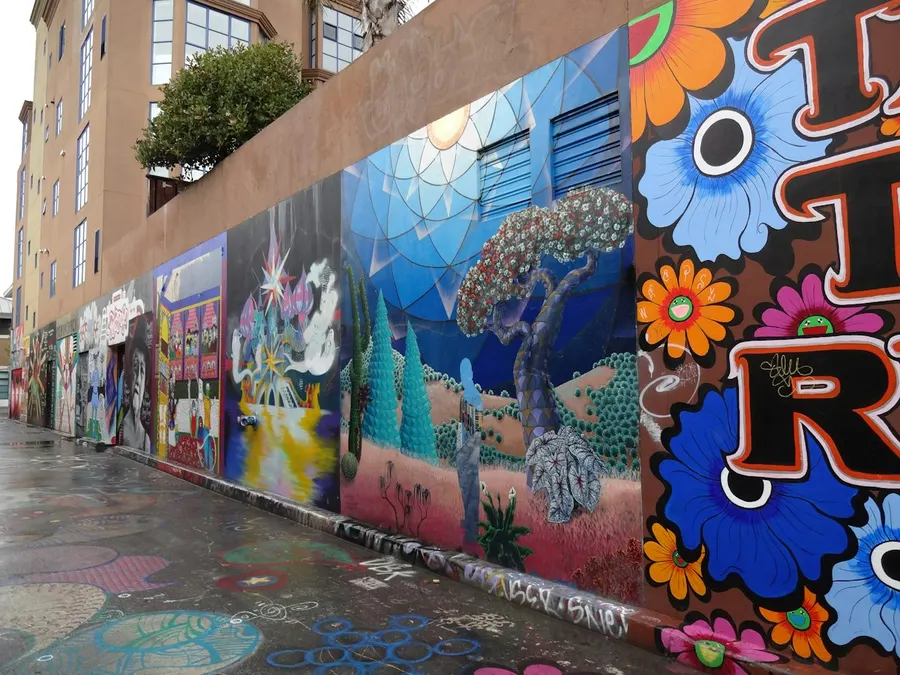
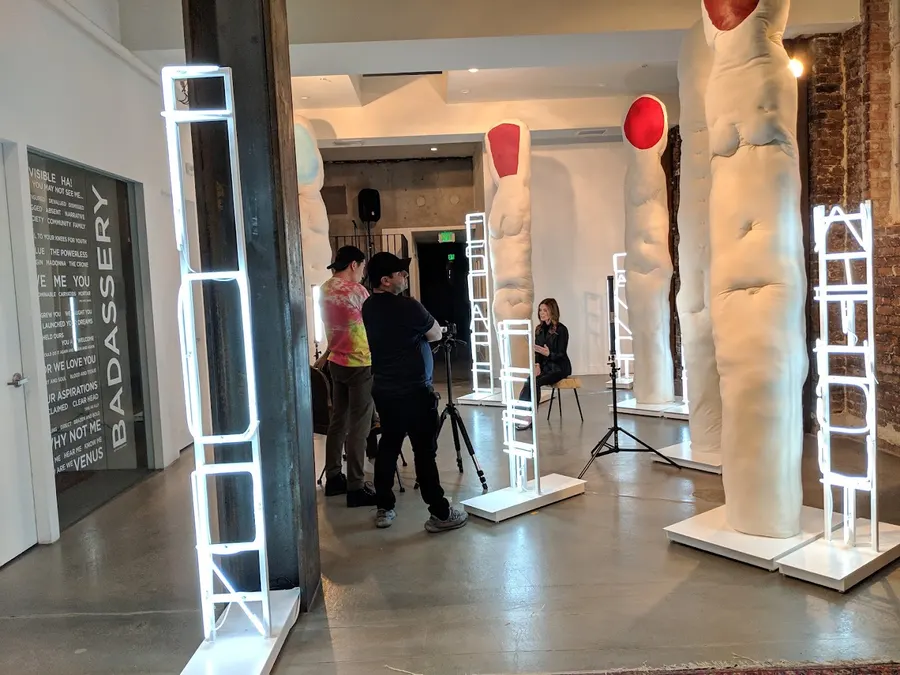
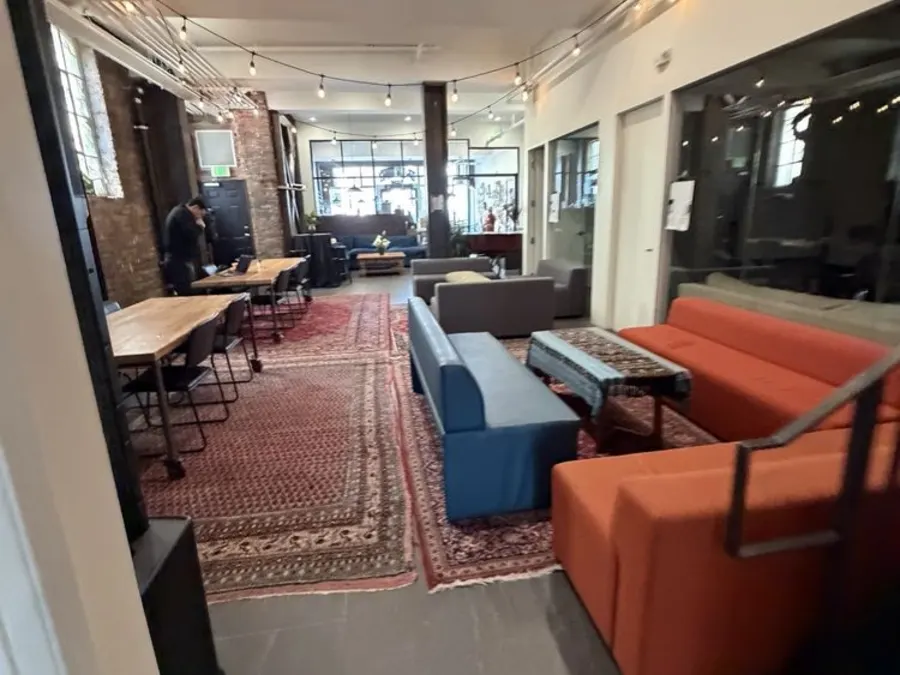
Learn Inside a Community of Doers, Builders, and Creatives
Student-centered means your education is built around you: your goals, your interests, and your pace. It doesn't mean you learn by yourself. When you enroll at Elton, you join a vibrant community of learners and doers, surrounded by peers, professors, and coaches who are learning and building alongside you.
Learn With Your Professors
All of your instruction is 1-on-1, so you are never one face in a lecture hall. Your professors know your work, your goals, and your name, and they become mentors you keep long after you graduate.
A Community of Learners and Doers
Elton students are building businesses, making art, doing research, and launching careers. Everyone in the community is a potential friend, collaborator, and teammate, and you can join in from your first day.
Build Things on Teams
When your goals overlap with other students', you team up: a study group, a research project, a business, a creative collaboration. Learning to work well on a team is part of every Elton student's coaching.
Huddles, Clubs & Concentrations
Your house huddle, clubs, and concentration meetings connect you with students who share your interests. Something is happening multiple times every week, online on Slack and Zoom and in person in San Francisco.
Events & Unconferences
Students share their work and have fun together at unconferences, hangouts, talent shows, open mics, and fairs.
Connect From Anywhere
Study in person at our three San Francisco locations, or online from anywhere, and your community is never limited to who lives nearby. Every student also gets a coworking passport with access to hundreds of coworking spaces around the world, so you never have to work alone.
This Is Not a Clanker University
A growing number of online programs are replacing instructors with chatbots, auto-graded modules, and AI tutors. Elton is going the other way. No AI teaches at Elton. Every tutorial, every piece of feedback, and every grade comes from a human expert who knows you and your work.
Instruction Is Always Human to Human
Your professors and coach are real people with real expertise. They challenge your thinking, notice when you're stuck, push you when you're ready, and care whether you succeed. That relationship is the heart of an Elton education, and we will never hand it to a machine.
Students Use AI as a Tool
You'll use AI the way you use Google or Wikipedia: to look things up, explore ideas, and get work done faster. Knowing how to use AI well is a real-world skill, and your professors will help you use it thoughtfully, not as a substitute for your own thinking.
AI Runs the Back Office
Elton uses AI to automate administrative work like scheduling, paperwork, and record-keeping. That keeps our operating costs down and our tuition low, so more of every dollar goes to what matters: time with your professors.
Follow Your Curiosity. Build Real Skills. Launch Your Career.
Student-Centered Studies
At Elton you can study almost anything. Elton students start in the Explorer concentration. You can stay in Explorer or you can declare one of five other concentrations — Engineer, Scholar, Researcher, Artist/Designer, Entrepreneur. Scroll down to learn more about concentrations.
Job-Ready Hard Skills
Seven hard skills will power tomorrow's economy: Project Management, Growth & Marketing, Data Analysis, Software Engineering, Digital & Industrial Design, AI Solutions, and the Trades. At Elton, students master at least one of them while they complete projects in their area of interest and passion.
Career Readiness
A university is about more than getting a job—it's about having the freedom to pursue your interests, make friends, and build a network of valuable contacts. But a complete university education includes top-flight career readiness. Elton students often are ready to take competitive full-time jobs even before they graduate.
Learn How to Learn, With a Whole Team Behind You
From your first day, you have a team in your corner: a dedicated advisor who keeps you on track toward your degree, a coach who helps you plan every Dash and stay motivated, and a team of faculty who teach you, give you feedback, and cheer on your progress.
Together, you set clear goals, build a plan, and look back on what you learned. Along the way, planning your work, managing your time, and reflecting on your progress become habits, the skills that keep you learning long after graduation.
Request More Information
Make Things You're Proud Of
At Elton, you learn by creating. Your Dashes are built around projects you care about: a short film, a business plan, a research study, an app, a collection of stories, a piece of furniture. Your professors help you shape each idea and bring it to life.
Every project you finish becomes part of your portfolio, so you graduate with a body of real work to show employers, clients, and graduate schools, not just a list of courses.
Chat with an Elton Advisor
Connect Ideas Across Fields
Real problems don't stay inside one department. At Elton you can combine subjects most colleges keep apart: biology and design, history and data analysis, philosophy and software.
Learning to connect ideas from different fields is how you find original solutions, and it's what makes your degree truly yours.
Chat with an Elton Coach for Free
Ask Good Questions. Find Real Answers.
You'll learn to frame a question, find and weigh sources, gather evidence, and reach conclusions you can defend.
Whether you're testing a business idea, writing a paper, or deciding what to build next, you'll know how to tell strong evidence from weak claims.
Enroll Today Risk Free
Make the Whole World Your Curriculum
At Elton, learning doesn't only happen at your desk. A trip abroad, a job, an apprenticeship, volunteering, caring for family, a museum you can't stop visiting: any learning experience in your life and in the world can earn credit toward your degree.
Your coach and professors help you turn each experience into a Dash, with goals to aim for, guidance along the way, and a chance to reflect on what you learned. The life you're already living becomes part of your education.
Chat with an Elton Advisor
Earn Credential Milestones As You Go
Every credit you earn moves you toward a real credential. Earn an undergraduate certificate a quarter of the way through, an associate's degree at the halfway mark, and your bachelor's at the finish. If life pulls you away early, you leave with a credential, not just a transcript. And the more transfer credits you bring, the shorter your journey.
 130 credits
Undergraduate Certificate
750 hours of engagement · 6–12 months
Your first credential: proof that you can set goals, do the work, and finish.
 260 credits
Associate's Degree
1,500 hours of engagement · 1–2 years
Halfway there, with a degree employers recognize and a growing portfolio of work.
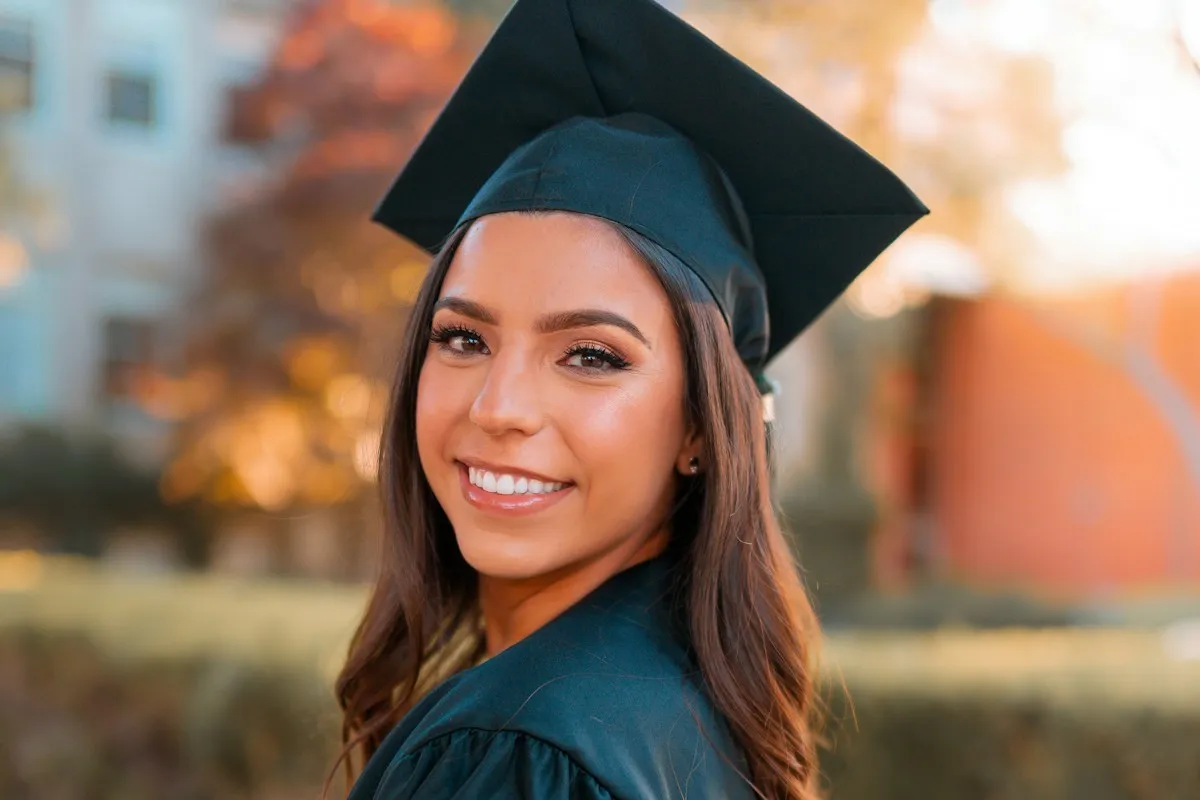 3120 credits
Bachelor's Degree
3,000 hours of engagement · 2–4 years
The full degree, built around what you chose to learn and where you want to go.
Finish Your Bachelor's at Elton
Maybe you started college and life got in the way: a job, a family, money, or a program that just wasn't right for you. The credits you earned still count. Elton is built to help you finish what you started.
- Bring your credits with you. Elton accepts relevant transfer credits from colleges in the US and around the world with no upper limit, as long as at least 25% of your credits are earned at Elton.
- Get credit for what you already know. Learning from work and life experience can also count toward your degree.
- Make your life and work part of your degree. At Elton, learning isn't squeezed in around your job. It's built into it. Your Dashes can center on real projects from your work, family, and community, so what you learn applies right away and what you already do counts toward your degree. You can study online from anywhere or in person in San Francisco, and the part-time pace is about 15 hours a week.
- Study what matters to you now. No re-taking general education requirements you've outgrown. Build your remaining credits around the career you want today.
Talk with an Elton advisor about the credits you've already earned and how close you might be to a bachelor's degree.
Elton University Areas of Concentration
At most colleges, you pick a major: a fixed list of requirements that boxes you in, yet often doesn't point toward any real career. At Elton, you choose a concentration instead, one that gives you a real direction in the world. And you can change it any time you want.
Everyone starts out as an Explorer, free to follow their curiosity wherever it leads. When you find your direction, you can declare one of five other concentrations (Artist, Entrepreneur, Researcher, Engineer, or Scholar) or make your own. Or you can stay an Explorer: some students do, all the way to graduation! Your concentration never limits what you study. It gives you focus, motivation, and a clear sense of where you're headed.
Chat with an Elton Coach for Free

Explorer
All students at Elton University start out as Explorers. An Explorer ventures out beyond the predictable edges of what they know. Sometimes they are laser focused on one field. Other times they are busy trying their hands at a dozen new skills and reading about a smorgasbord of different topics. If they persist as an explorer, they become jacks-of-all-trades. Many Elton collegians switch to a more specific concentration during the program, but a few graduate as Explorers.
Artist
An Artist designed and made everything around you. Besides the trees, sky, and soil, everything is made by an Artist somewhere. They are creative, but also logical. Great Artists are courageous, rebellious, and original, but also know and respect tradition.
Future jobs: Architect, Graphic Designer, Fine Artist, Artisan, Carpenter, Industrial Designer, Animator, Writer, Film Maker, Web/App Designer, Game Designer, Musician, Dancer, and more.

Entrepreneur
Whether in for-profit, non-profit, or government organizations, the skills of an Entrepreneur make anyone capable of building and leading teams and organizations. Making, selling, and marketing new ideas, services, and products are the main focus of Entrepreneurs.
Future jobs: Marketer, Sales, Finance, Accounting, Investor, Banker, Human Resources Person, Manager, Consultant, and more.

Researcher
From botany to psychology, the work of the researcher is to contribute wholly new knowledge to the world. Researchers discover new truths about the objective world, and new applications of science to our everyday lives.
Future jobs: Principal Investigator, Professor, Librarian, Doctor, Economist, Educator, and more.
Engineer
The Engineer builds and invents things. From tinkering with circuit boards to rendering 3D models of new transit systems, the Engineer is always busy.
Future jobs: Mechanical Engineer, Electrical Engineer, Software Engineer, Biotech Engineer, Founder, Civil Engineer, Architect, Video Game Engineer, and more.

Scholar
Scholars dive deep into the histories, cultures, and traditions from around the world. Scholars ask big questions and don't rest with easy answers.
Future jobs: Author, Educator, Civil Servant, Lawyer, Consultant, Historian, Researcher, Producer, Director, Curator, and more.

Design Your Own
Have a direction that doesn't fit any of these? Design your own concentration. Work with your coach and professors to define where you want to go in the world, then build a concentration that takes you there, whether that's marine conservation, sports management, or a field that doesn't have a name yet.
Future jobs: Any career you can imagine, including ones that don't exist yet.
Graduate Ready to Work in Tomorrow's Economy
Whatever you study, you'll graduate with real, job-ready skills that employers are hiring for today and will need even more tomorrow.
Every Elton student masters at least one of seven in-demand hard skills: Project Management, Data Analysis, Digital & Industrial Design, Software Engineering, Growth & Marketing, AI Solutions, or a Trade. You don't learn them in the abstract. You build them by applying them to real projects in the field you care about, so you graduate with proof of what you can do, not just a transcript.
Project Manager
Almost all of business everywhere is a series of projects conducted by teams of people. That means knowing how to manage projects is a critical hard skill for everyone to be familiar with and for a few people to master. At Elton University you will encounter opportunities to learn project management and integrate your interests with this critical hard skill.
Future jobs: Operations, Marketing, Design, Product Management, Event Planning, Consulting, and more.

Data Analyst
Analyzing data means finding insights in data. That could mean just looking at a spreadsheet, or using complex analytics, or developing sophisticated data models. At Elton University you'll use data in almost every project you do, so you won't be able to avoid becoming good at this fast growing (and highly paid) hard skill.
Future jobs: Finance, Marketing, Consulting, HR, Design, Growth, Analytics, Data Science, Research and more.

Digital & Industrial Designer
Design means using art to solve problems, and in today's world that generally means using software to design digital images and new products. This hard skill means learning how to design great presentations, logos, websites, advertisements, new products—anything that will be manufactured, shared digitally, or printed on paper.
Future jobs: Marketing, Advertising, Graphic Design, Interaction Design, User Experience Design, Product Design.

Software Engineer & Solutions Architect
'Software is eating the world.' Every industry in the world now has some sort of software component. To be hireable in today's economy, everyone has to be capable of using and implementing cloud-based services, and some people have to know how to design and build original web services and mobile apps.
Future jobs: Solutions Architect, Software Engineer, Operations, Consulting, Finance.

Growth & Marketing
Whether it is a non-profit trying to save the neighborhood, a company launching a new iPhone app, or someone running for mayor, organizations need to grow. At Elton, if you choose, you'll learn true-to-industry growth strategies and tactics, such as press releases, viral videos, direct sales, and guerrilla marketing. With these skills, you'll become a lynchpin for the growth of any organization.
Future jobs: Freelancer, Marketer, Sales Person, Real Estate Agent, Advertiser, Copy Writer, Entrepreneur.

AI Solutions & Architecture
AI is changing the world. And organizations need AI expertise to transform their operations. At Elton, if you choose, you'll learn industry-standard AI implementation strategies and techniques, such as machine learning model deployment, natural language processing integration, computer vision solutions, and AI system optimization.
Future jobs: Business AI Consultant, Machine Learning Engineer, AI Project Manager, AI Implementation Specialist, AI Solutions Architect, Technical AI Advisor, and AI Strategy Consultant.
Learn a Trade
Whether it's carpentry, electrical work, contracting, personal finance, or working on the railroad, learn a valuable skill that's always in demand. At Elton, if you choose, you can master a trade alongside your academic studies and graduate ready to build, fix, and run things in the real world.
Future jobs: Carpenter, Electrician, General Contractor, Financial Planner, Railroad Conductor or Engineer, Tradesperson, Small Business Owner, and more.
Eligibility
Admission requirements for Elton's bachelor's:
- Education: a high school diploma and transcripts, a GED, or a homeschool diploma and transcripts
- Standardized tests: SAT and ACT optional
- Dual enrollment: available for advanced high schoolers and students under 18
Tuition & Scholarships
The tuition for this program is on par with public American universities. 90% of our students receive some sort of financial aid. Complete our 30 min, free, no-commitment application to see what financial aid level you qualify for.
Financial aid at Elton includes:
- Scholarships and grants
- Interest-free financing
- Help securing sponsorship or a personal loan
- Start Immediately - Other universities require you wait until September or January to start. With Elton, you can start immediately.
- Risk-Free First Month - If during the first month you or Elton decide that you are not a fit for the university, you will receive a full refund.
- No SAT/ACT Requirement - Other universities require you to take the SAT/ACT ($68). We do not require SAT/ACT for our application.
- Stacking Credentials - If you stop the program early, you still earn an undergraduate certificate once you have completed 1/4 of the program (30 credits), and an associate's degree once you have finished 1/2 (60 credits).
Total Undergraduate Program Tuition: $38,500
Part Time
48 months (4 Years)
15 Hours/Week
- 1x Dedicated Advisor
- 1x Professional Coach
- 1x Professor
Full Time
30 months (2.5 Years)
24 Hours/Week
- 1x Dedicated Advisor
- 1x Professional Coach
- 2x Professors
Accelerated
24 months (2 Years)
32 Hours/Week
- 1x Dedicated Advisor
- 1x Professional Coach
- 3x Professors
Estimated Cost of Living in San Francisco
San Francisco is expensive, but most students make it work by sharing an apartment with roommates. Here's a monthly budget for studying in person in San Francisco.
Typical costs as of fall 2026: estimates, not quotes. Rent varies by neighborhood and building. Studying online? Live wherever you like. Ask us about housing in San Francisco →
| Rent shared room / private room | $950 / $1,700 |
|---|---|
| Utilities, phone & internetyour share | $175 |
| Foodgroceries, plus eating out | $575 |
| TransportationMuni, or Muni + BART, monthly pass | $95 |
| Gym membership | $60 |
| Miscellaneousclothes, going out, the unexpected | $225 |
| Monthly total shared room / private room | $2,080 / $2,830 |
Not ready to enroll yet?
Get occasional news and updates from Elton University, roughly every two weeks. Unsubscribe anytime.


