Master's in AI Engineering: Build What's Next with AI
Learn to build real products on top of today's most powerful AI models. Elton's hands-on, 1-on-1 approach takes you from your first API call to shipping reliable AI applications: retrieval, agents, evaluation, and the machine learning foundations behind them. Elton students are coached to get a job in tech as soon as possible so they can "earn while they learn."
- As Few as 10 Months
- Human Professors, Not AI Tutors
- Real-World AI Portfolio
- 100% Remote & Flexible
- Earn While You Learn
Industry-Integrated AI Engineering
This is an industry-integrated master's program in AI engineering you can complete in as few as 10 months. Along the way, you earn a graduate certificate in AI engineering in as quickly as 3 months.
Every company wants to put AI to work, and they need people who can turn a powerful model into a product that actually works. AI engineers design prompts and context, connect models to real data, build agents that use tools, and measure whether it all holds up in production. You don't need a PhD in machine learning to do this work. You need strong software skills, a deep understanding of how models behave, and a portfolio that proves you can ship.
At Elton, you learn AI engineering from experienced human engineers, 1-on-1. Prefer to focus on building web, mobile, and cloud software? See our Master's in Software Engineering.
No PhD Required
You might think AI is only for math prodigies and research scientists. Most AI engineering work is software engineering with a powerful new building block, and anyone with curiosity and persistence can learn it. Your professors start from what you already know, whether that's years of coding or none at all, and build your path from there.
Request More Information
Learn AI from Engineers Who Ship It
Our professors bring decades of industry experience and a dense professional network into startups and FANG companies. They teach you how AI systems behave in the real world: where models shine, where they fail, and how to build around both.
Request More Information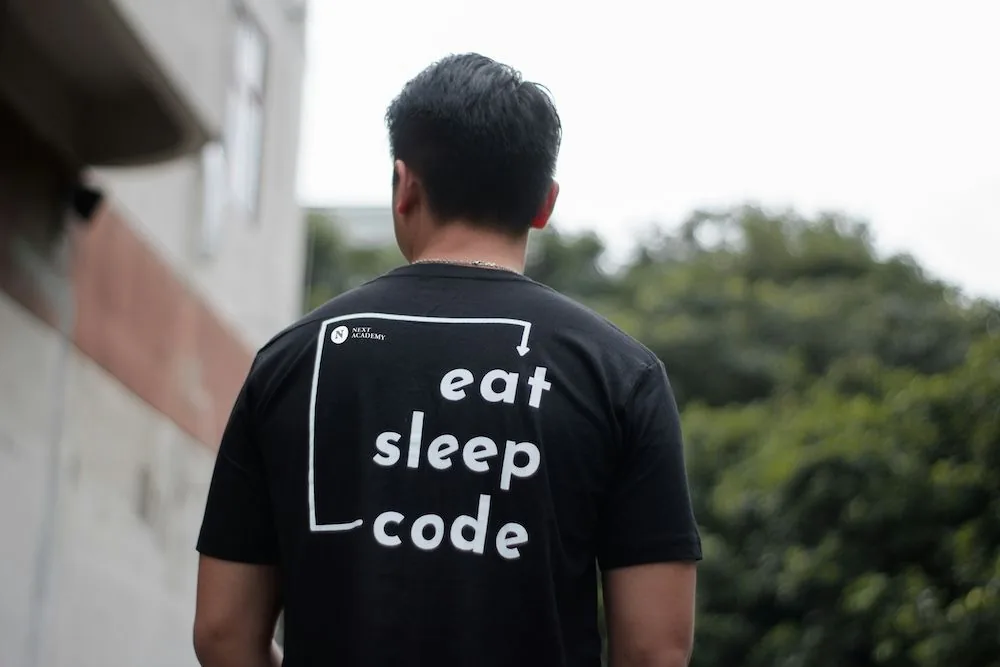
Build Real AI Products From Day One
Instead of lectures and exams, you build. You start with guided tutorials, then ship AI features for real clients, then build portfolio and internship projects: a retrieval assistant over real documents, an agent that automates a real workflow, an evaluation suite that proves your system works.
Speak with an Admissions Officer
A Portfolio & Technical Interviewing
A credential helps you succeed in tech, but it is not enough. At Elton you receive support and coaching to build a portfolio of working AI applications, plus hundreds of hours of coaching and drilling in technical interviewing, including the system design and AI-specific questions hiring managers ask today.
Schedule a Free Info Session
Start Working Even Before You Finish
Our program is designed so you can keep studying while working full time. That means you can earn while you learn and earn credit for the AI work you do on the job.
Speak with an Admissions Officer
What You'll Learn
Build with Large Language Models
Call model APIs from Anthropic, OpenAI, Google, and open-weight models. Master prompt and context engineering, structured outputs, and tool use, then put them together into products people rely on.
Retrieval, Agents & Workflows
Connect models to real data with retrieval, build agents that search, call APIs, and take action, and design workflows that automate real work for real teams.
Evaluation & Reliability
AI systems can be confidently wrong. You learn to write evaluations, track quality over time, and design systems that fail gracefully. This is the skill that turns a demo into a product.
AI Engineering Areas of Concentration
Choose one of Elton University's AI engineering concentrations or build your own—AI Prompt & Solutions Engineer, Machine Learning Engineer, AI Solutions Architect, and Data Science & Analysis.
Chat with an Elton Coach for Free

AI Prompt & Solutions Engineer
Every company is racing to put AI to work, and they need people who can make it actually deliver. AI prompt and solutions engineers design prompts, agents, and workflows around large language models, connect them to real data and tools, and measure whether they work. You'll learn prompt and context engineering, retrieval, tool use, evaluation, and how to turn a business problem into a reliable AI-powered solution.
Future jobs: AI Engineer, AI Solutions Engineer, Prompt Engineer, Forward Deployed Engineer, AI Automation Specialist, Solutions Consultant
Machine Learning Engineer
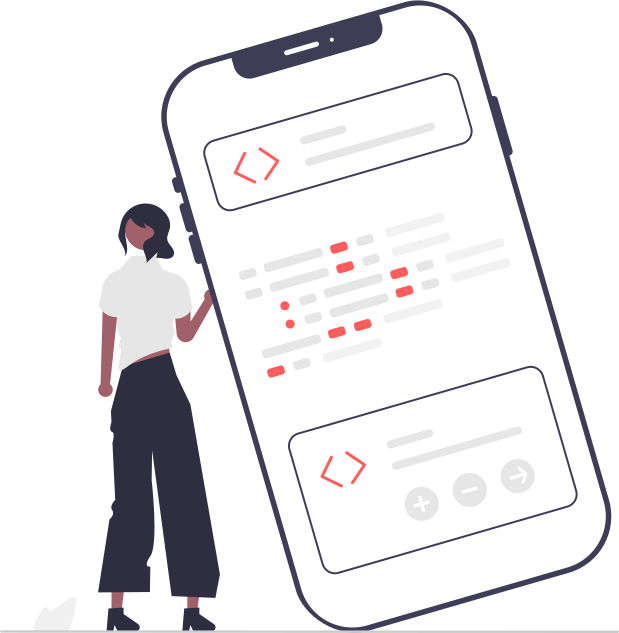
Machine learning turned from a niche specialty into the backbone of nearly every industry in just a few years. Machine learning engineers train, fine-tune, and deploy the models that power self-driving cars, catch fraud before it happens, generate text and images, and help doctors spot disease earlier. You'll learn the statistics, model training, and MLOps behind them.
Future jobs: Machine Learning Engineer, Applied AI Engineer, MLOps Engineer, AI Research Engineer

AI Solutions Architect
AI solutions architects decide how AI fits into a company's systems: which models to use, how to connect them to data safely, what it will cost, and how to keep it reliable at scale. You'll learn to translate business needs into AI system designs and lead the teams that build them.
Future jobs: AI Solutions Architect, AI Product Engineer, Head of AI, CTO, Technical Program Manager

Data Science & Analysis
Data scientists are less like engineers and more like ... well ... scientists! They use statistics, machine learning, and large amounts of data to answer questions about the world and guide decisions. You'll learn to clean, analyze, model, and communicate data, with AI tools that make you faster than ever.
Future jobs: Data Scientist, Data Analyst, AI/ML Engineer, Researcher
Design Your Own
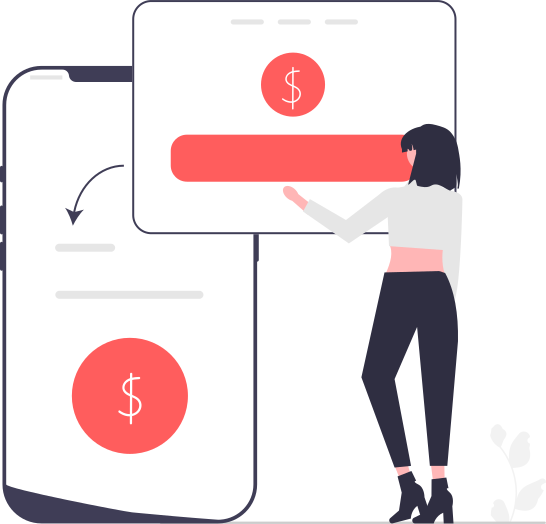
Your career goals might not fit neatly into one field! If your path calls for a unique mix, such as AI in healthcare, AI for education, or AI policy and safety, you can build your own concentration with your advisor's guidance, drawing from any combination of Elton's coursework and beyond.
Future jobs: Consultant, Founder, Program Manager, Cross-Functional Specialist
Where are You Headed?
Our faculty have helped students succeed in getting placements at the following companies:







Eligibility
To enroll in a master's program or graduate certificate, you need one of the following:
- A bachelor's degree, or
- Some college and 5 years of relevant work experience, or
- Proof of your ability to engage in master's-level study.
No standardized tests are required: no GRE, no GMAT.
Tuition & Scholarships
- No Risk First Month - If during the first month you or Elton decide that you are not a fit for the university, you will receive a full refund.
- 1-on-1 Personalized Instruction - No other college offers 1-on-1 based instruction, but research suggests it is the best way to learn.
- Earn While You Learn - Work towards an AI engineering internship and earn credit for what you learn on the job.
- Start Immediately - Other programs require you wait until September or January to start. With Elton you can start immediately.
- Stacking Credentials - If you stop the program early, you still earn your graduate certificate in AI engineering if you have completed 1/3 of the program.
Master's Program Tuition: $22,000
Enjoy a 10% discount if tuition is paid in full upon enrollment.
Spare Time
18 months
10 Hours/Week
- Access to the Elton Community
- 1x Professional Coach
- 1x Professor
- Full-Time employment allowed
Part Time
12 months
15 Hours/Week
- Access to the Elton Community
- 1x Professional Coach
- 2x Professors
- Full-Time employment allowed if aligned with curriculum
- Part-Time employment allowed
Accelerated
10 months
25 Hours/Week
- Access to the Elton Community
- 1x Professional Coach
- 3x Professors
- Full-Time employment allowed if aligned with curriculum
Graduate Certificate in AI Engineering
Prefer a shorter commitment? Earn the graduate certificate on its own, with the same 1-on-1 professors and coaching as the master's.
- 12 credits, one third of the master's (about 300 hours of engagement)
- Typically about 2.5–6 months, depending on your pace
- Credits stack: continue any time to finish the full master's degree


