Heterodox Economics Master's: Study Any School of Thought
Most economics programs teach one way of thinking about the economy. At Elton, you choose. Study heterodox and mainstream economics side by side: Post-Keynesian, institutional, ecological, Austrian, Marxian, feminist, and other traditions, in any field from macro to health economics, guided by professors who know each school from the inside.
- Heterodox & Mainstream
- Every Field of Economics
- Expert Professors
- 100% Remote & Flexible
- Keep Your Job
Economics Is Bigger Than One Textbook
Open almost any economics textbook and you'll find the same story: the neoclassical synthesis, a blend of supply-and-demand microeconomics and a particular kind of macroeconomics. It is a powerful framework, and you'll learn it well here. But it is only one way of seeing the economy.
For more than two centuries, economists have argued about where value comes from, what money is, why recessions happen, how firms and nations grow rich, who does the unpaid work that keeps households running, and how an economy fits inside a living planet. Those debates produced whole schools of thought that most programs skip or squeeze into a single lecture.
Economists call the traditions outside the textbook heterodox economics. At Elton, you can study the full conversation, heterodox and mainstream alike. You'll read each tradition in its own words, learn its tools and its best evidence, and see where the schools agree and disagree. You graduate able to think like an economist from more than one tradition, which is exactly what employers, policymakers, and research teams need when the standard models fall short.
Read the Great Economists and the New Ones
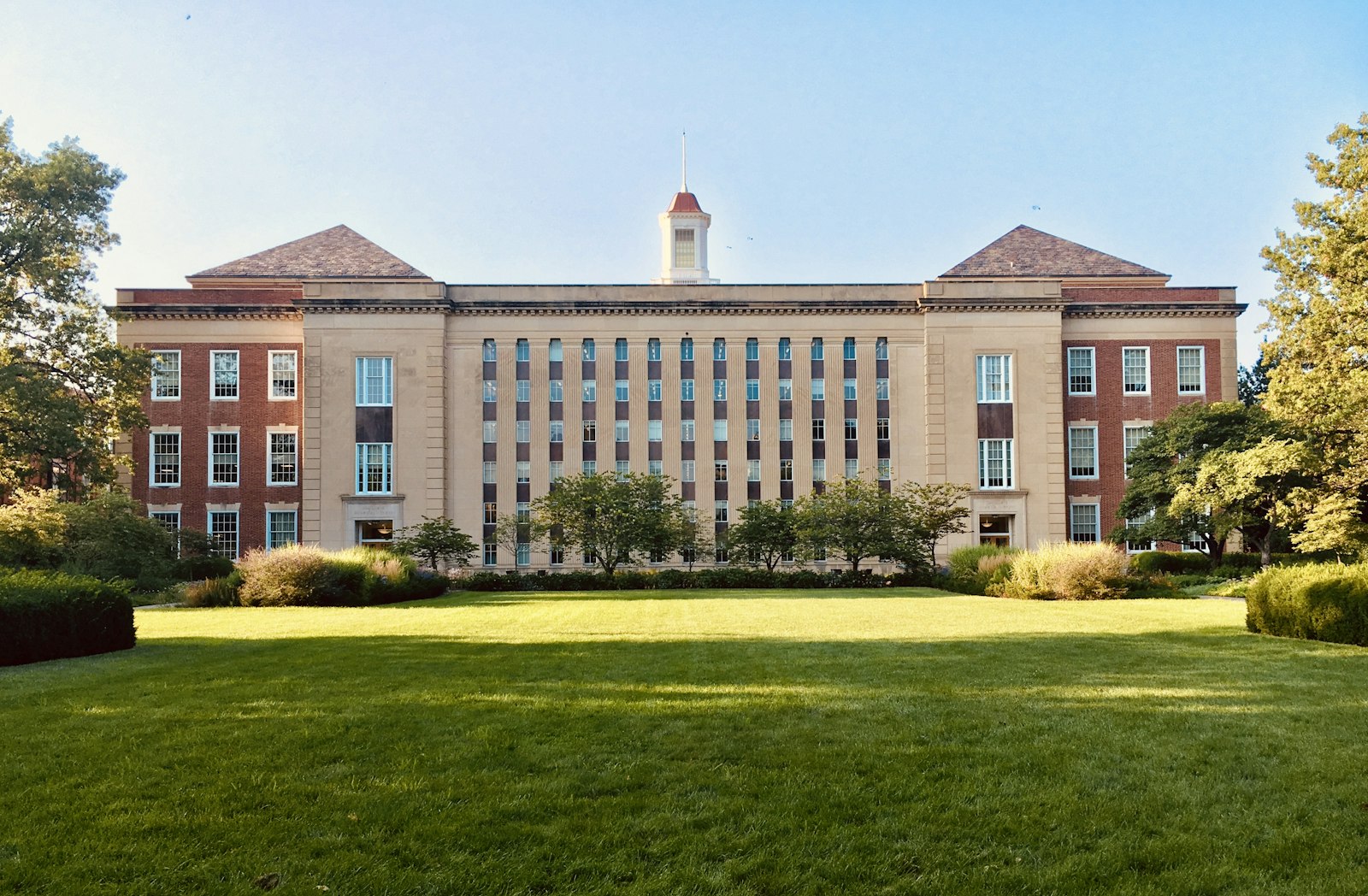
Marx wrote much of Capital in a library reading room much like this one. Smith, Ricardo, Marx, Veblen, Keynes, Hayek, Joan Robinson, Minsky, Ostrom: the great economists were in conversation with each other, and you'll join that conversation.
With your professors, you read the classic texts alongside today's research in each tradition, so you understand not just what each school argues but why, and how its ideas hold up against the evidence.
Request More Information
Learn How Things Actually Get Made
Many economics courses start with consumers and prices. Production-side economics starts with factories, firms, technology, and skills: how nations build industries, why some regions thrive while others hollow out, and what governments can do about it.
You can explore industrial policy, institutional economics, and development strategy, and see how countries from the United States to South Korea built their economies. Elton also offers an executive certificate in industrial policy.
Speak with an Admissions Officer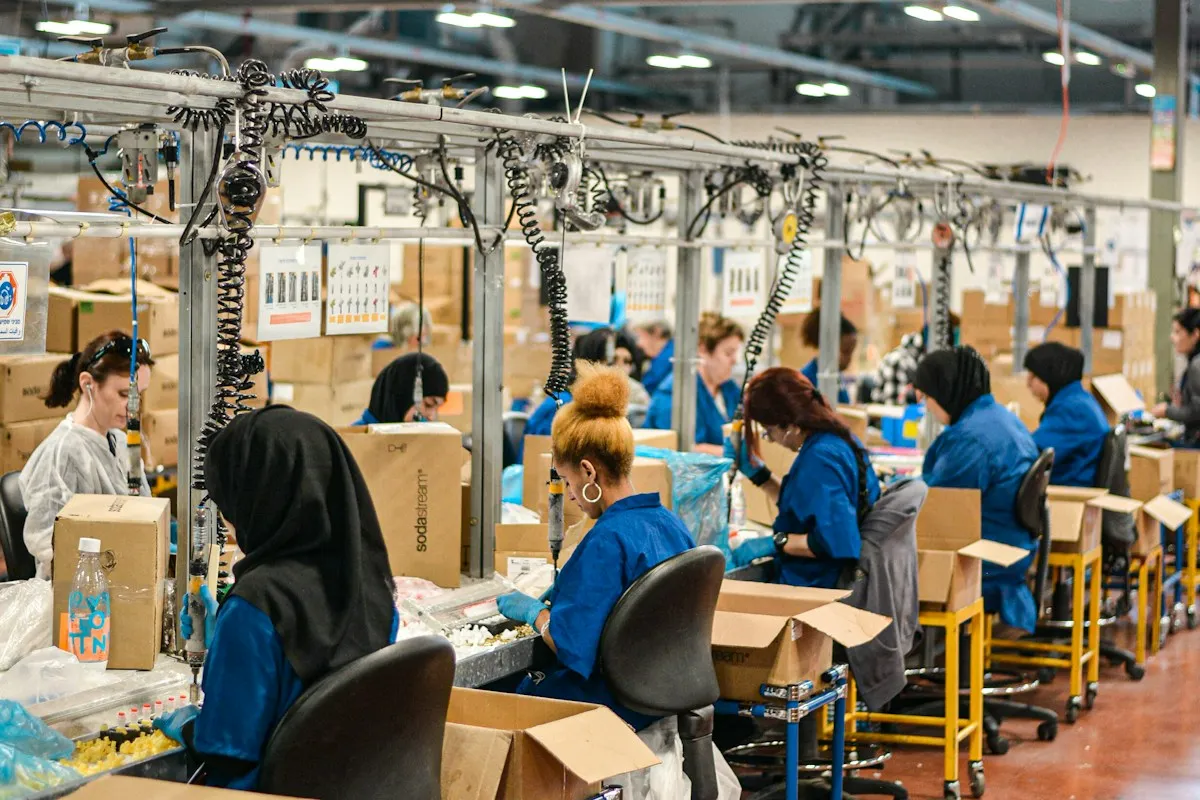
Economics That Counts the Earth
Every economy runs on soil, water, energy, and a stable climate. Ecological economics treats those as the foundation, not an afterthought, and asks how prosperity can last.
Study ecological, environmental, and resource economics side by side, along with Georgist ideas about land and natural wealth, and build a portfolio of work on the climate and resource questions you care about most.
Schedule a Free Info Session
What Is Heterodox Economics?
Heterodox economics is the family of schools of thought that work outside, or push back on, the neoclassical mainstream. Post-Keynesian, institutional, ecological, Austrian, Marxian, feminist, Sraffian, and Georgist economics are all heterodox traditions.
They disagree with each other about a great deal, but they share a habit of asking questions the standard models set aside: what money really is, why economies fall into crisis, how power and institutions shape markets, and how the economy depends on households and the natural world.
Studying heterodox economics doesn't mean throwing out the mainstream. The best heterodox economists know the neoclassical framework well, and so will you. That's why a pluralist program like Elton's teaches both, so you can compare them fairly and use whichever tools best fit the question in front of you.
New to the field? Start with our beginner's guide to heterodox economics, or read why economics students are demanding pluralism.
Schools of Heterodox and Mainstream Economic Thought
Study one tradition in depth, compare several, or build your own synthesis. Your professors help you weigh each school fairly, on its own terms and against the evidence. There is no party line here.
Neoclassical & Mainstream
The neoclassical synthesis and New Keynesian macroeconomics that most programs teach. You'll learn it thoroughly: it is the shared language of the profession, and the starting point every other school responds to.
Institutional Economics
From Veblen and Commons to Ostrom and North: how laws, norms, organizations, and power shape what markets do, and why institutions matter as much as prices.
Post-Keynesian Economics
Keynes as read by Joan Robinson, Kalecki, Kaldor, and Minsky: fundamental uncertainty, effective demand, endogenous money, and why financial systems are prone to crisis. Read: Post-Keynesian economics explained →
Modern Monetary Theory (MMT)
How money is created and how governments that issue their own currency actually spend, tax, and borrow. Explore functional finance, the job guarantee, and the debates around them. Read: MMT and its critics →
Ecological Economics
The economy as part of the biosphere: energy and material flows, planetary limits, steady-state and degrowth debates, and how to measure wellbeing beyond GDP. Read: What is ecological economics? →
Austrian Economics
Menger, Mises, and Hayek on knowledge, prices, entrepreneurship, and time. Study the calculation debate, Austrian business cycle theory, and spontaneous order. Read: Austrian vs. Post-Keynesian economics →
Marxian Economics
Marx's analysis of capital, labor, value, and crisis, and the many traditions it inspired, from classical Marxian theory to modern political economy and world-systems analysis.
Feminist Economics
Care work, household production, gender and the labor market, and how economics changes when it counts the unpaid work that keeps every economy running.
Production-Side Economics & Industrial Policy
Manufacturing, technology, and capabilities: how firms and nations build productive power, and how industrial policy, trade policy, and public investment shape it.
Sraffian (Neo-Ricardian) Economics
Piero Sraffa's revival of classical political economy: production of commodities by means of commodities, the surplus approach, and the Cambridge capital controversies.
Social Economics
Economics grounded in human dignity, community, and ethics, with roots in Catholic social thought, humanistic economics, and the study of the social economy.
Georgist Economics
Henry George's insight that land and natural resources belong to everyone, and modern work on land value taxation, rent, housing, and the commons.
Socialist & Collective Production
Cooperatives, worker ownership, participatory planning, market socialism, and the history of collective production models, studied with care for both their promise and their record.
Every Field of Economics
Whatever questions draw you to economics, you can study them here, and bring any school of thought to bear on them.
Microeconomics
How households, firms, and markets make choices and set prices.
Macroeconomics
Growth, inflation, unemployment, money, and business cycles.
Labor Economics
Work, wages, unions, skills, and inequality.
Trade Economics
Why nations trade, who gains, and how trade policy works.
Development Economics
How poorer countries grow, and what helps or holds them back.
Financial Economics
Banks, markets, risk, and financial crises.
Industrial Organization
Competition, monopoly, and how industries are structured.
International Economics
Exchange rates, capital flows, and the global monetary system.
Health Economics
Health care markets, insurance, and public health.
Economics of Education
What schooling costs, what it returns, and how to improve it.
Public Sector Economics
Taxes, public spending, and what governments should provide.
Welfare Economics
How to judge whether an economy makes people better off.
Environmental & Resource Economics
Pollution, climate, energy, and natural resources.
Urban & Regional Economics
Cities, housing, transportation, and regional growth.
Econometrics
The statistical tools economists use to test their ideas.
Behavioral Economics
How real people decide, beyond the rational-actor model.
Economic History
How economies have changed, and what the past can teach.
Empirical & Experimental Economics
Field studies, lab experiments, and natural experiments.
Start With the Questions You Already Have
Why does rent keep rising? Who decides what a job pays? Why do we buy what we buy? The best economics starts with questions like these, the ones you already wonder about.
Microeconomics, labor, behavioral, feminist, and social economics give you different ways to answer them. Your professors help you pick the questions you care about and turn them into projects and research you can be proud of.
Request More Information
Follow the Goods Around the World
Every container in a port like this one tells a story about trade, exchange rates, supply chains, and the choices nations make about what to build and what to buy.
Study trade, international, and development economics through every lens, from comparative advantage to developmental-state strategy, and understand how a single policy can ripple across the world.
Speak with an Admissions Officer
Test Big Ideas Against Real Data
Every school of thought makes claims about the world, and the data can help settle them. You'll learn econometrics, empirical and experimental methods, and economic history, so you can test ideas for yourself.
Not a math person yet? Your professors build your quantitative skills step by step, starting from where you are, until you can read the research with confidence and run your own analyses. Can you study economics without a strong math background?
Schedule a Free Info Session
How the Program Works
Map Your Interests
With your advisor, choose the schools of thought and fields you want to explore, and build a custom learning plan around the questions you care about.
Learn With Expert Professors
Meet each week with professors in tutorials of one to three students. Read, discuss, and get feedback on your work from economists who know each tradition well.
Build Real Work
Write policy briefs, build models, analyze data, and research the questions that matter to you, with your professors guiding every step.
Graduate With a Portfolio
Leave with a body of work that shows how you think: research papers, analyses, and policy proposals you can share with employers or journals.
Who This Program Is For
Curious Thinkers
You studied some economics and felt something was missing, or you never studied it and want to understand how the economy really works.
Policy & Advocacy Professionals
You work in government, a think tank, a union, or a nonprofit, and you want the economic tools to make a stronger case for the change you want to see.
Future Researchers
You want to contribute new ideas to economics, perhaps on the way to Elton's PhD by Publication.
Eligibility
To enroll in a master's program or graduate certificate, you need one of the following:
- A bachelor's degree, or
- Some college and 5 years of relevant work experience, or
- Proof of your ability to engage in master's-level study.
No standardized tests are required: no GRE, no GMAT.
Tuition & Scholarships
- Start Immediately - Other programs require you wait until September or January to start. With Elton you can start immediately.
- No Risk First Month - If during the first month you or Elton decide that you are not a fit for the university, you will receive a full refund.
- Stacking Credentials - If you stop the program early, you still earn your graduate certificate in economics if you have completed 1/3 of the program.
Program Tuition: $18,000
Enjoy a 10% discount if tuition is paid in full upon enrollment.
Spare Time
18 months
10 Hours/Week
- Dedicated Advisor
- 1x Professor
- Access to the Elton Community
- Full-time work allowed
Part Time
12 months
15 Hours/Week
- Dedicated Advisor
- 2x Professors
- Access to the Elton Community
- Full-time work allowed if aligned with curriculum
Accelerated
10 months
25 Hours/Week
- Dedicated Advisor
- 3x Professors
- Access to the Elton Community
- Part-time work allowed
Graduate Certificate in Economics
Prefer a shorter commitment? Earn the graduate certificate on its own, with the same 1-on-1 professors and coaching as the master's.
- 12 credits, one third of the master's (about 300 hours of engagement)
- Typically about 2.5–6 months, depending on your pace
- Credits stack: continue any time to finish the full master's degree
Full Refund During a 30 Day Trial Period