Climate Action & Sustainable Innovation: An Environmental Science, Policy & Business Master's
The climate crisis is the defining challenge of our time, and the world needs people who understand both the science and the solutions. At Elton, you study environmental science, ecology, and climate policy with one goal in mind: helping to protect a livable planet. You learn one-on-one from professors who work on these problems every day.
- Focused on Climate Solutions
- Science, Policy & Business
- Expert Professors
- 100% Remote & Flexible
- Keep Your Job
Built for the Climate Crisis
Many environmental science programs survey the field broadly and leave climate change as one topic among many. At Elton, it is the organizing question: what is happening to the planet, why, and what can we do about it?
You'll learn the science of a changing climate, how ecosystems respond, and how they can help us recover. Then you'll connect that science to the policies, technologies, businesses, investments, and community efforts that cut emissions, restore nature, and help people adapt.
The work can feel enormous, and that's exactly why we pair you with professors who guide you every step of the way. You'll focus on the part of the problem you care about most, and graduate with a portfolio that shows you can help solve it.
Understand the Energy Transition
Most of the warming we see comes from burning fossil fuels for electricity, transportation, buildings, and industry. Replacing them is one of the largest projects humanity has ever taken on.
Study how clean energy, efficiency, and electrification work, what slows them down, and which policies speed them up, from carbon pricing to local building codes.
Request More Information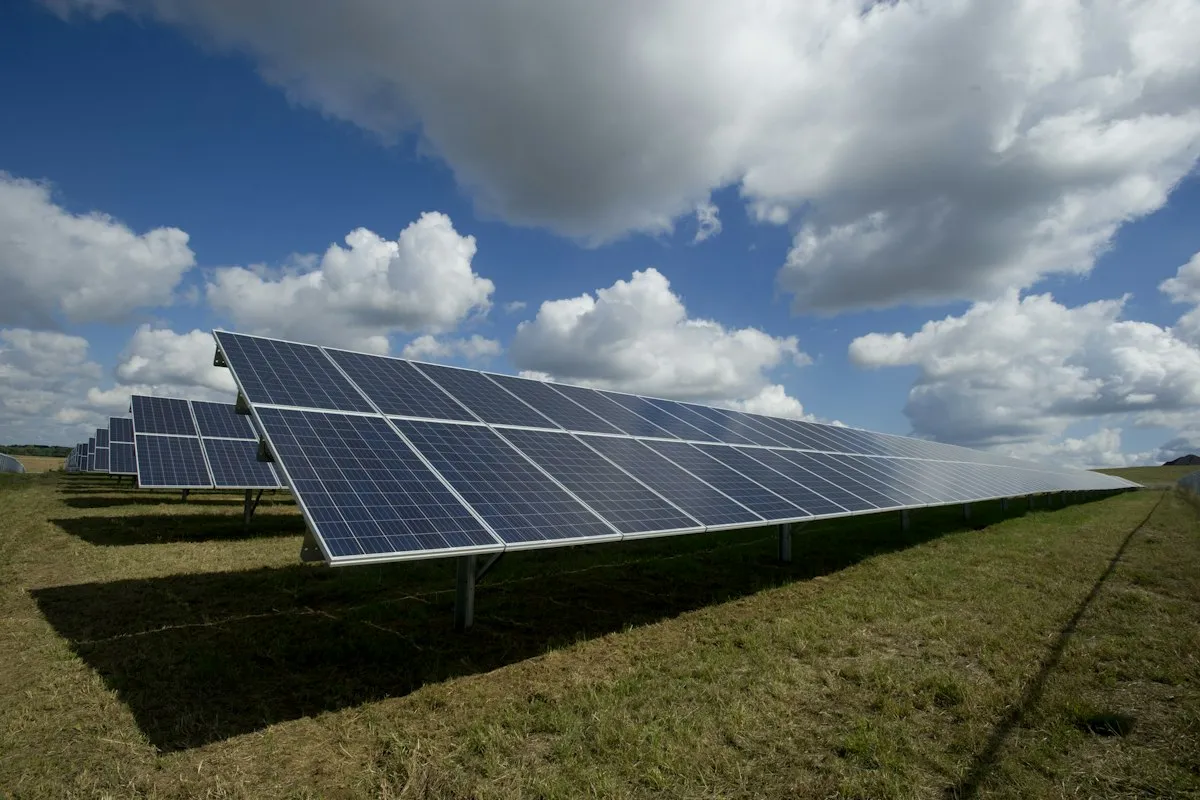
Learn How Ecosystems Heal the Planet
Forests, wetlands, grasslands, and oceans store enormous amounts of carbon and shelter the wildlife that keeps ecosystems healthy. Protecting and restoring them is one of the most powerful tools we have.
Study ecology, biodiversity, and conservation, and learn how restoration projects are designed, measured, and sustained over time.
Speak with an Admissions Officer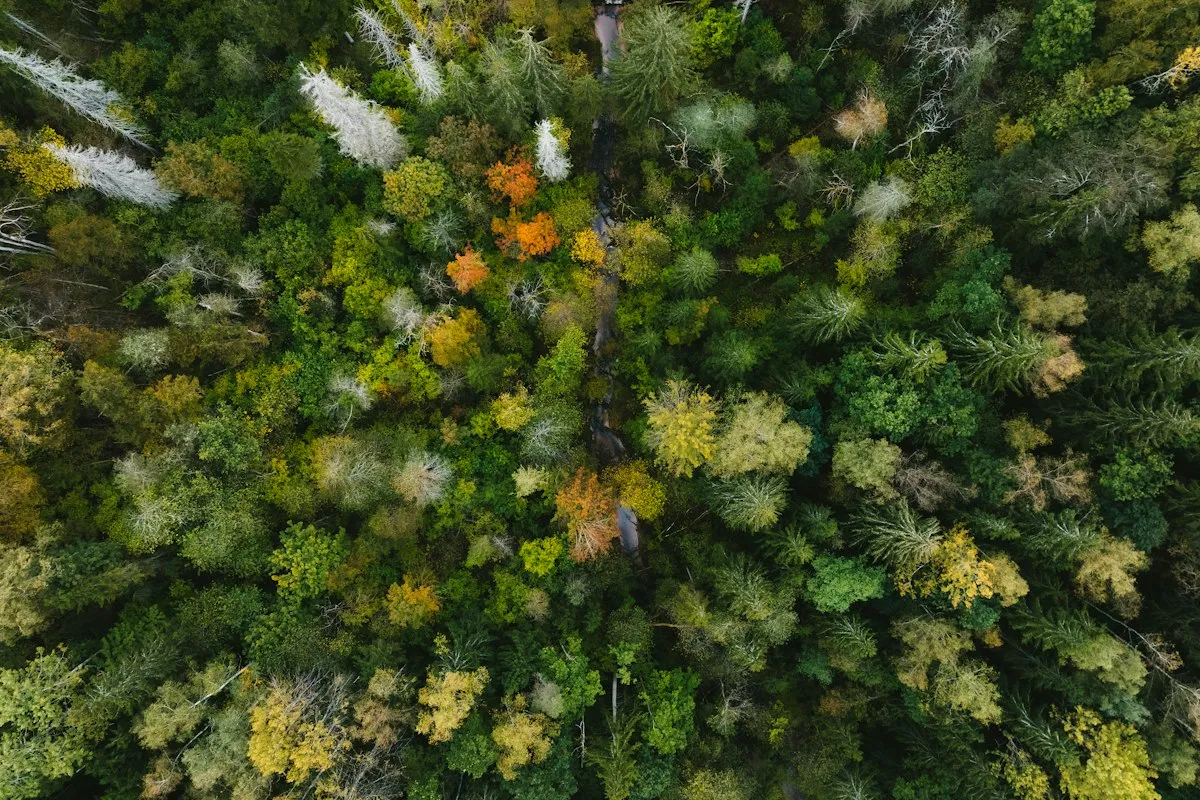
Turn Data Into Action Where You Live
Climate change looks different in every place: rising seas in one town, wildfires or drought in another. The most useful work often starts close to home.
With your professor, you can monitor a local watershed, analyze public climate and satellite data, or partner with a city, nonprofit, or land trust on a real project, wherever you live.
Schedule a Free Info Session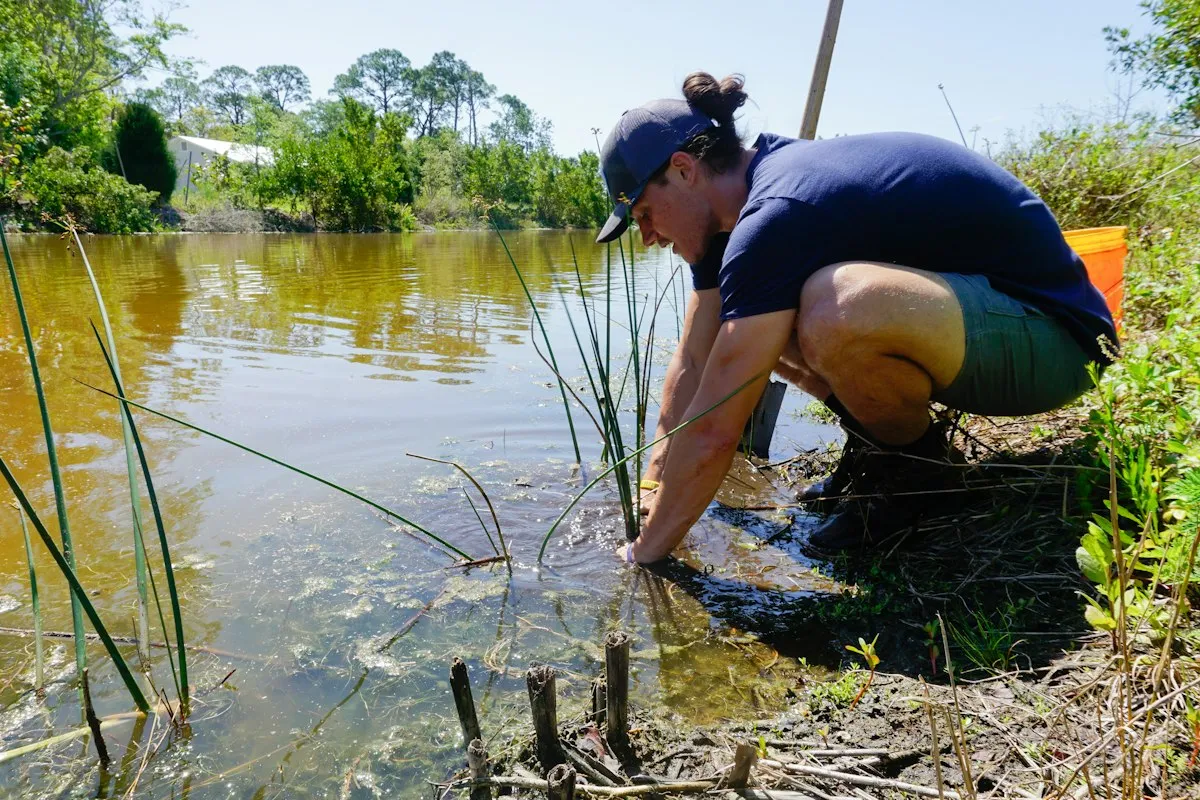
Areas of Concentration in Climate Action & Sustainable Innovation
Focus deeply on one area, or combine several into a concentration built around the climate solution you want to work on. Your advisor helps you shape the plan, and you can adjust it as your interests grow.
Climate Science
How the climate system works, what is driving today's warming, and how scientists model and project future change.
Ecology & Biodiversity
How ecosystems function, how species and habitats respond to a warming world, and what keeps natural systems resilient.
Climate & Energy Policy
Carbon pricing, clean energy standards, international climate agreements, and the politics of getting climate policy passed and put into practice.
Environmental Law & Governance
The laws, agencies, and institutions that protect air, water, land, and climate, and how communities use them.
Energy Systems & Decarbonization
Renewable energy, storage, efficiency, and electrification, and how to plan the shift away from fossil fuels.
Conservation & Restoration
Protecting and restoring forests, wetlands, grasslands, and coastlines for wildlife and for the carbon they store.
Climate Adaptation & Resilience
Helping cities, farms, and communities prepare for heat, flooding, drought, wildfire, and rising seas.
Oceans & Water Resources
Rivers, watersheds, and oceans in a changing climate, from water supply and quality to marine ecosystems.
Sustainable Food & Land Use
Regenerative agriculture, soil carbon, forestry, and food systems that feed people while protecting the planet.
Climate & Environmental Justice
Who bears the costs of climate change and pollution, and how to make climate solutions fair for every community.
GIS, Remote Sensing & Climate Data
Maps, satellite imagery, and environmental data analysis: the tools to measure change and make the case for action.
Climate Entrepreneurship
Turn a climate solution into a venture: find the problem, test the idea with real customers, and build a startup or nonprofit that can grow.
Climate Business & Corporate Sustainability
Carbon accounting, emissions targets, sustainable supply chains, and how companies cut their footprint while staying competitive.
Climate Finance & Investing
Green bonds, carbon markets, clean energy project finance, and impact investing: how money moves toward climate solutions, and how to move more of it.
Climate Communication & Organizing
How to share climate science clearly, build public support, and organize communities to act.
How the Program Works
Choose Your Climate Focus
With your advisor, pick the part of the climate crisis you want to work on, and build a learning plan around it.
Learn With Expert Professors
Meet each week with professors in tutorials of one to three students to work through the science and policy and get feedback on your work.
Build Real Work
Analyze climate data, write policy briefs, design restoration or adaptation plans, and work with real organizations, with your professors guiding every step.
Complete Your Capstone
Finish with original research, a policy analysis, or an applied climate project you are proud to share with employers or graduate programs.
Who This Program Is For
Career Changers
You want your work to help with the climate crisis, and you want the knowledge and portfolio to move into a climate career.
Climate Founders & Business Leaders
You want to start a climate venture, lead sustainability at your company, or move capital toward climate solutions, backed by a real grasp of the science.
Policy & Advocacy Professionals
You work in government, a nonprofit, or an advocacy group, and you want a deeper grasp of the science behind the policies you work on.
Future Researchers
You want to contribute new knowledge on climate and the environment, perhaps on the way to Elton's PhD by Publication.
Want a full business degree focused on climate? See the Climate MBA and the Sustainable Innovation MBA.
Eligibility
To enroll in a master's program or graduate certificate, you need one of the following:
- A bachelor's degree, or
- Some college and 5 years of relevant work experience, or
- Proof of your ability to engage in master's-level study.
No standardized tests are required: no GRE, no GMAT.
Tuition & Scholarships
- Start Immediately - Other programs require you wait until September or January to start. With Elton you can start immediately.
- No Risk First Month - If during the first month you or Elton decide that you are not a fit for the university, you will receive a full refund.
- Stacking Credentials - If you stop the program early, you still earn your graduate certificate in climate action & sustainable innovation if you have completed 1/3 of the program.
Program Tuition: $18,000
Enjoy a 10% discount if tuition is paid in full upon enrollment.
Spare Time
18 months
10 Hours/Week
- Dedicated Advisor
- 1x Professor
- Access to the Elton Community
- Full-time work allowed
Part Time
12 months
15 Hours/Week
- Dedicated Advisor
- 2x Professors
- Access to the Elton Community
- Full-time work allowed if aligned with curriculum
Accelerated
10 months
25 Hours/Week
- Dedicated Advisor
- 3x Professors
- Access to the Elton Community
- Part-time work allowed
Graduate Certificate in Climate Action & Sustainable Innovation
Prefer a shorter commitment? Earn the graduate certificate on its own, with the same 1-on-1 professors and coaching as the master's.
- 12 credits, one third of the master's (about 300 hours of engagement)
- Typically about 2.5–6 months, depending on your pace
- Credits stack: continue any time to finish the full master's degree
Full Refund During a 30 Day Trial Period


