Master's in the Humanities: Study the Ideas, Stories, and Art That Shape Us
Philosophy, history, literature, classics, religion, art, music, film, and language: the humanities ask what it means to be human, and how people have answered that question across thousands of years. At Elton, you choose the questions that matter to you and explore them one-on-one with a scholar who has spent a career in your field.
- Choose Your Field
- Original Thesis
- Expert Scholars
- 100% Remote & Flexible
- Keep Your Job
A Humanities Master's Built Around Your Questions
Most humanities programs ask you to fit your interests into a department's course list. At Elton, the program starts with you: the book you can't stop thinking about, the historical moment you want to understand, the philosophical problem you want to work through.
Your advisor helps you turn that curiosity into a plan of reading, conversation, and writing. Your professors read with you, talk through the texts, and give you careful feedback as your ideas grow, so you are never figuring it out alone.
Along the way, you build a portfolio of essays and projects, and you finish with a thesis or capstone of your own: an original argument, a public project, or a body of creative-critical work you can share with employers, editors, or doctoral programs.
Learn to Look, Listen, and Interpret
A painting, a symphony, or a film rewards the viewer who knows how to read it. Art history, musicology, and film studies give you the vocabulary and the context to see what's really there.
Study the works and movements you love, from Renaissance altarpieces to contemporary cinema, and write about them in a way that helps others see them freshly too.
Request More Information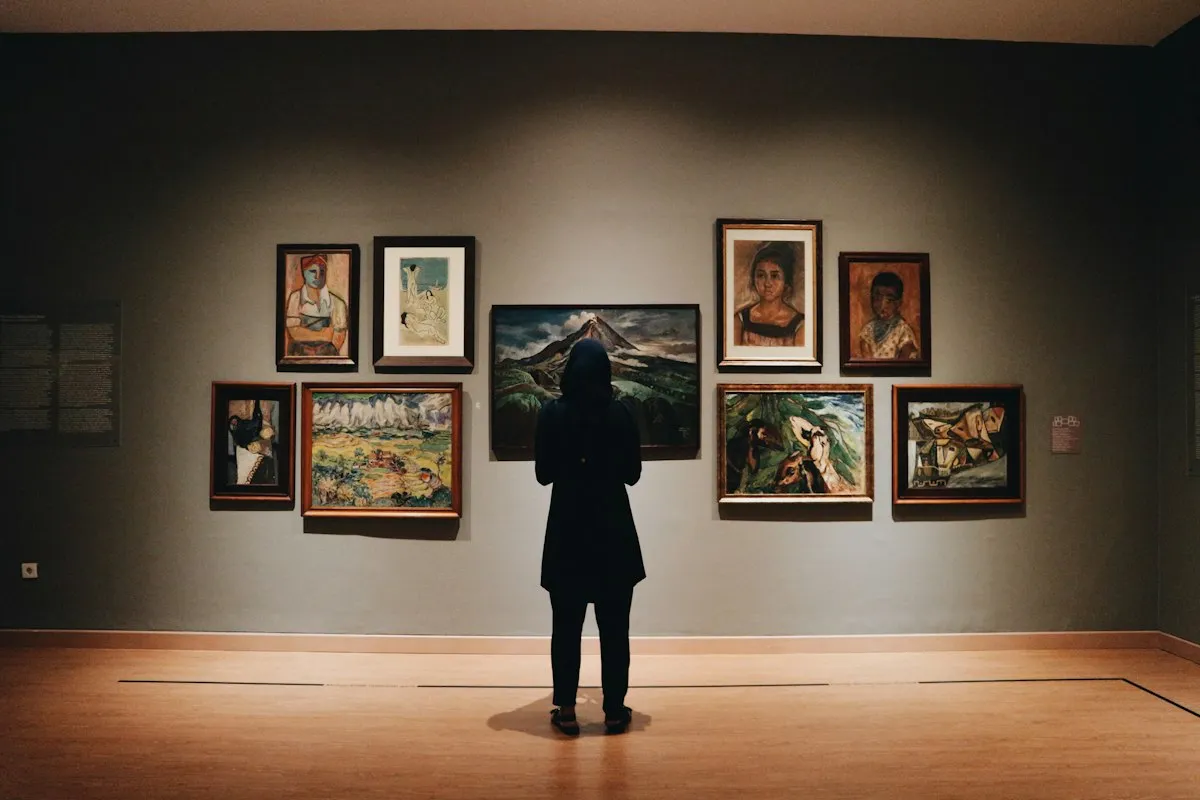
Join a Conversation Thousands of Years Old
Homer, Plato, Sappho, Confucius, the Hebrew Bible, the Bhagavad Gita: the oldest texts we have are still asking the questions we ask today about justice, love, friendship, and how to live.
Read them in translation or begin the original languages with your professor, and trace how ancient ideas carried forward into the world we live in now.
Speak with an Admissions Officer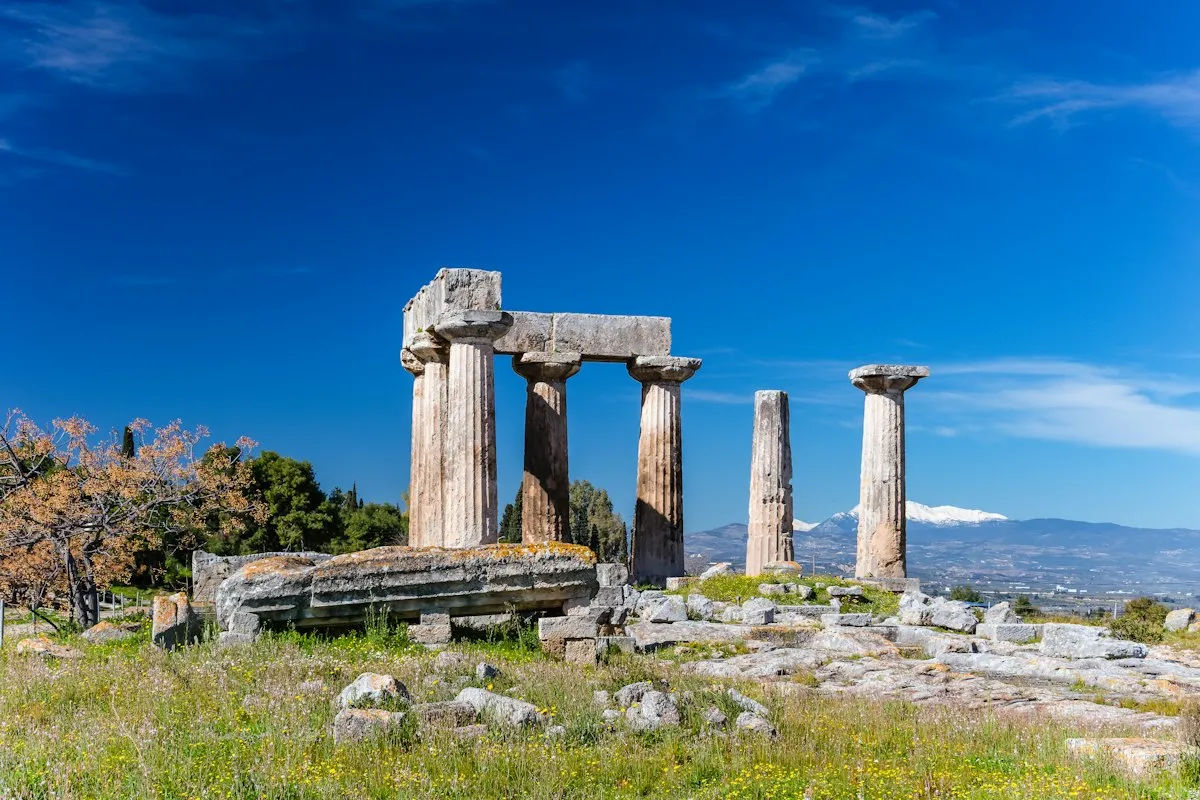
Hear the Past in Its Own Voice
Letters, diaries, court records, maps, and newspapers let you hear people from the past speak for themselves. Learning to read them carefully is one of the most rewarding skills the humanities teach.
Your professor helps you find primary sources, many of them now digitized and available from anywhere, and build them into a story about the past that nobody has told quite the way you will.
Schedule a Free Info Session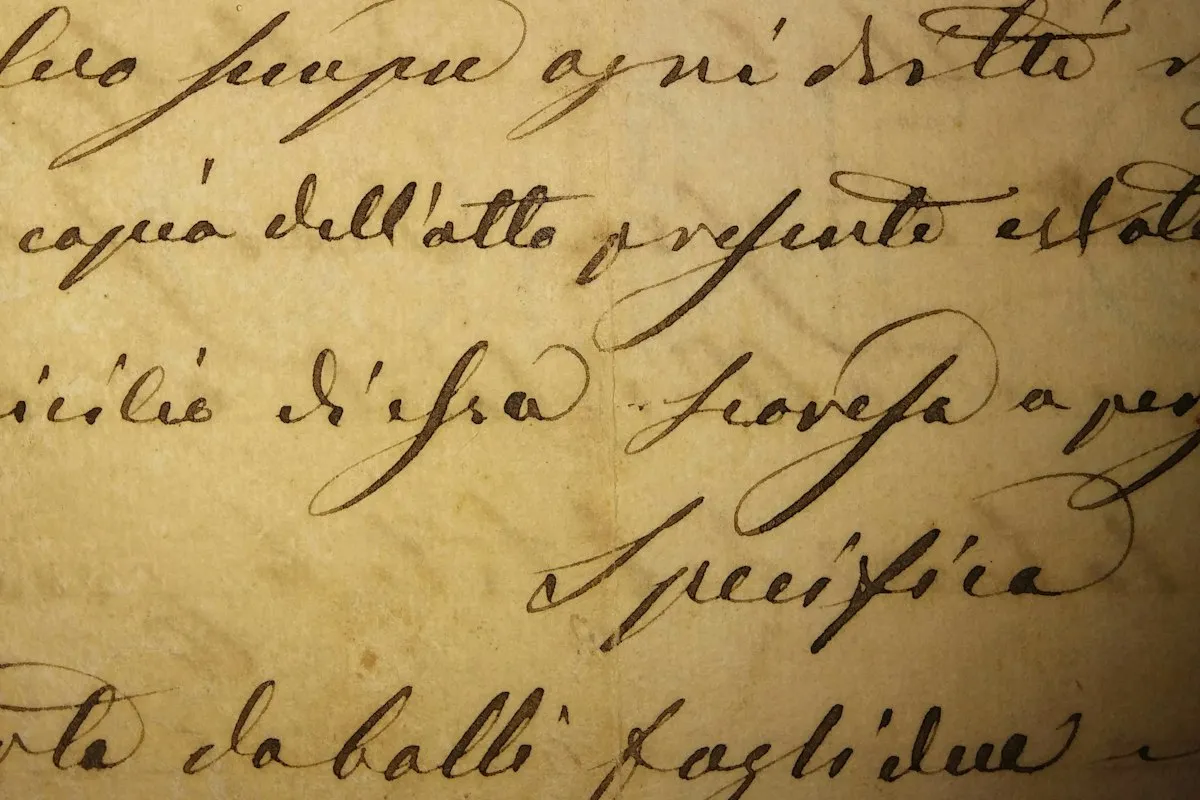
Areas of Concentration in the Humanities
Focus deeply on one field, or combine two or three into an interdisciplinary concentration. Your advisor helps you shape the plan, and you can adjust it as your interests grow.
Philosophy
Political philosophy, metaphysics, epistemology, aesthetics, logic, and the philosophy of mind, read in the great texts and in today's debates, from ancient Greece and classical China to analytic and continental thought.
Ethics
Moral philosophy from Aristotle and Kant to today, and applied ethics in medicine, business, technology and AI, and the environment. Learn to reason carefully about hard choices and help others do the same.
History
Any era and any region: ancient, medieval, early modern, or modern, and social, cultural, intellectual, political, economic, or global history. Learn to work with primary sources and build an argument about the past.
Literature
English and American literature, world and comparative literature, poetry, drama, and the novel. Read closely, explore literary theory, and write criticism with a voice of its own.
Classics
The literature, history, philosophy, and material culture of ancient Greece and Rome, with the option to begin Latin or ancient Greek alongside your reading.
Religious Studies
The texts, practices, and histories of the world's religious traditions, studied with care and respect from a scholarly, non-sectarian perspective.
Art History
Painting, sculpture, architecture, photography, and design, from the ancient world to contemporary art, along with museum and curatorial practice.
Music
Music history, theory, and ethnomusicology: how music is made, what it means, and the role it plays in people's lives and cultures.
Film & Media Studies
Film history, theory, and criticism, along with television, games, and digital media, and how stories on screen shape the way we see the world.
Languages & Linguistics
How language works and how it changes, from sound and grammar to meaning and translation, or a deep study of a particular language and its literature.
Cultural Studies
Gender and women's studies, African American and ethnic studies, area studies, and the study of popular culture, identity, and community.
Digital & Public Humanities
Bring humanities research to new audiences through digital archives, data-driven text analysis, podcasts, exhibits, and community history projects.
Interdisciplinary Humanities
Combine fields around a single question, like history and philosophy of science, literature and medicine, or religion and politics. Your advisor helps you design a concentration that fits.
How the Program Works
Choose Your Questions
With your advisor, pick the fields, texts, and questions you want to explore, and build a reading plan around them.
Read and Discuss With Scholars
Meet each week with professors in tutorials of one to three students to talk through what you're reading and get feedback on your writing.
Build a Portfolio
Write essays, reviews, and research papers, or build a public project, with your professors guiding every draft.
Complete Your Thesis
Finish with an original thesis or capstone project you are proud to share with employers, editors, or doctoral programs.
Who This Program Is For
Lifelong Readers
You have always loved books, ideas, and history, and you want the time and guidance to study them seriously, with a degree to show for it.
Teachers, Writers & Professionals
You teach, write, work in a museum, library, or nonprofit, or lead in a field where deep understanding of people and culture makes you better at your work.
Future Scholars
You want to contribute new ideas to your field, perhaps on the way to Elton's PhD by Publication.
Eligibility
To enroll in a master's program or graduate certificate, you need one of the following:
- A bachelor's degree, or
- Some college and 5 years of relevant work experience, or
- Proof of your ability to engage in master's-level study.
No standardized tests are required: no GRE, no GMAT.
Tuition & Scholarships
- Start Immediately - Other programs require you wait until September or January to start. With Elton you can start immediately.
- No Risk First Month - If during the first month you or Elton decide that you are not a fit for the university, you will receive a full refund.
- Stacking Credentials - If you stop the program early, you still earn your graduate certificate in the humanities if you have completed 1/3 of the program.
Program Tuition: $18,000
Enjoy a 10% discount if tuition is paid in full upon enrollment.
Spare Time
18 months
10 Hours/Week
- Dedicated Advisor
- 1x Professor
- Access to the Elton Community
- Full-time work allowed
Part Time
12 months
15 Hours/Week
- Dedicated Advisor
- 2x Professors
- Access to the Elton Community
- Full-time work allowed if aligned with curriculum
Accelerated
10 months
25 Hours/Week
- Dedicated Advisor
- 3x Professors
- Access to the Elton Community
- Part-time work allowed
Graduate Certificate in the Humanities
Prefer a shorter commitment? Earn the graduate certificate on its own, with the same 1-on-1 professors and coaching as the master's.
- 12 credits, one third of the master's (about 300 hours of engagement)
- Typically about 2.5–6 months, depending on your pace
- Credits stack: continue any time to finish the full master's degree
Full Refund During a 30 Day Trial Period


